AIP
Walki
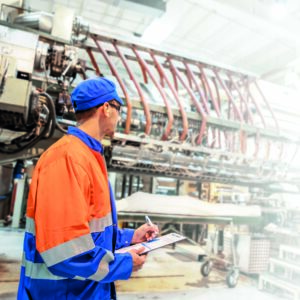
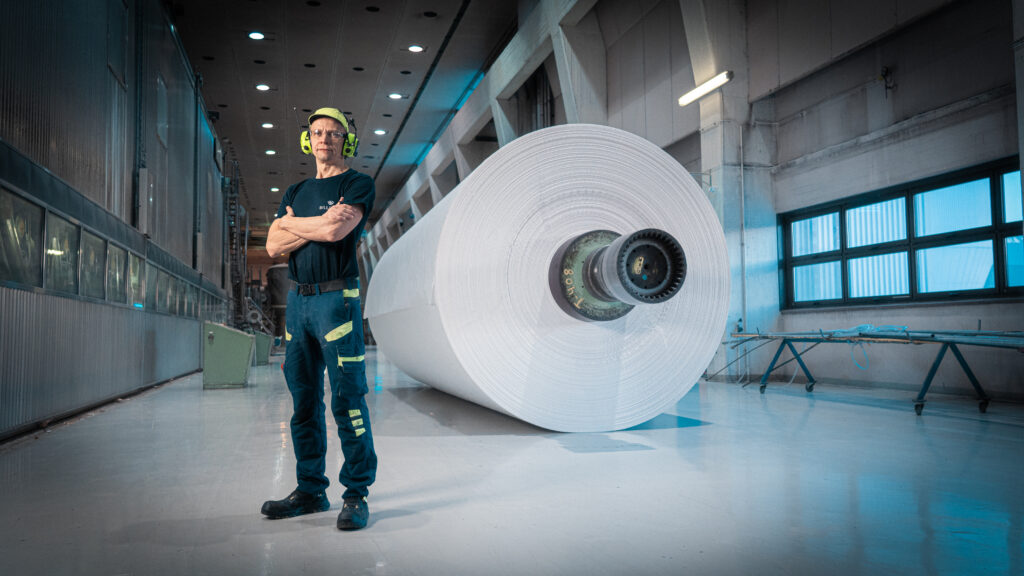
At Walki in Pietarsaari, a wide range of products are manufactured, including roll wrapping papers, copy paper wrappers, flexible packaging materials, paper used in box production, and specialty products such as large advertising banner materials.
The company’s customers are located both in Finland and internationally.
Walki Pietarsaari is part of the international Walki Group, headquartered in Espoo. The Group operates in 12 countries. Walki is owned by the Japanese company Oji, one of the world’s largest pulp and paper manufacturers.
Walki believes in a sustainable future, and our mission is
to accelerate global progress towards sustainability. Our product solutions are designed and continuously developed for different markets – ranging from sustainable packaging materials for the food industry to energy-efficient materials for the construction sector.
Alholmens Kraft
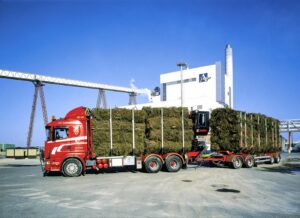
Alholmens Kraft is the world’s largest biofuel-fired power plant. We produce electricity, process steam, and district heating for industry and consumers.
UPM Kymmene Pietarsaari
As a global materials solutions company, we develop a wide range of renewable material solutions for everyday needs.
Each year, 800,000 tonnes of birch and softwood pulp produced from locally sourced wood continue their journey from Pietarsaari to markets around the world, where they are used in products such as tissue and specialty papers as well as packaging board.
In addition to high-quality fibres, UPM Alholmen sawmill also produce sawn timber in Pietarsaari for applications including the construction and furniture industries.
UPM Alholman Saha
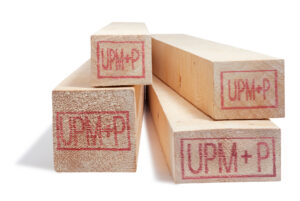
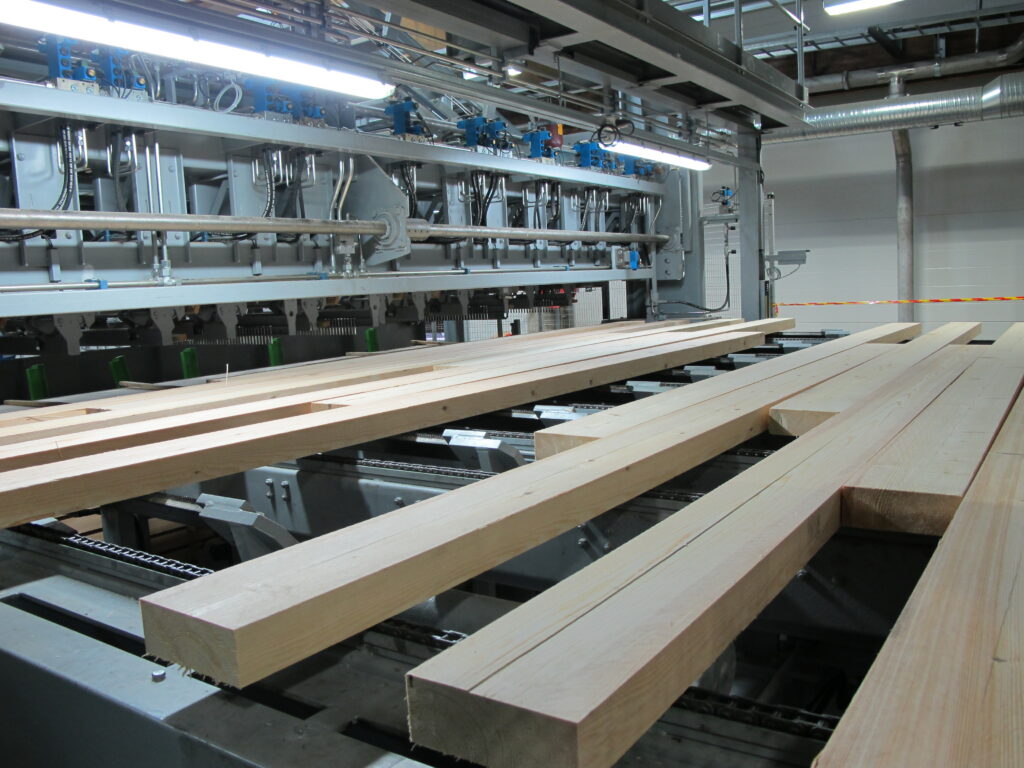
UPM Alholmen Sawmill produces certified pine and spruce sawn timber for the joinery industry, the packaging industry, and the construction sector. The annual production capacity is 280,000 cubic metres.
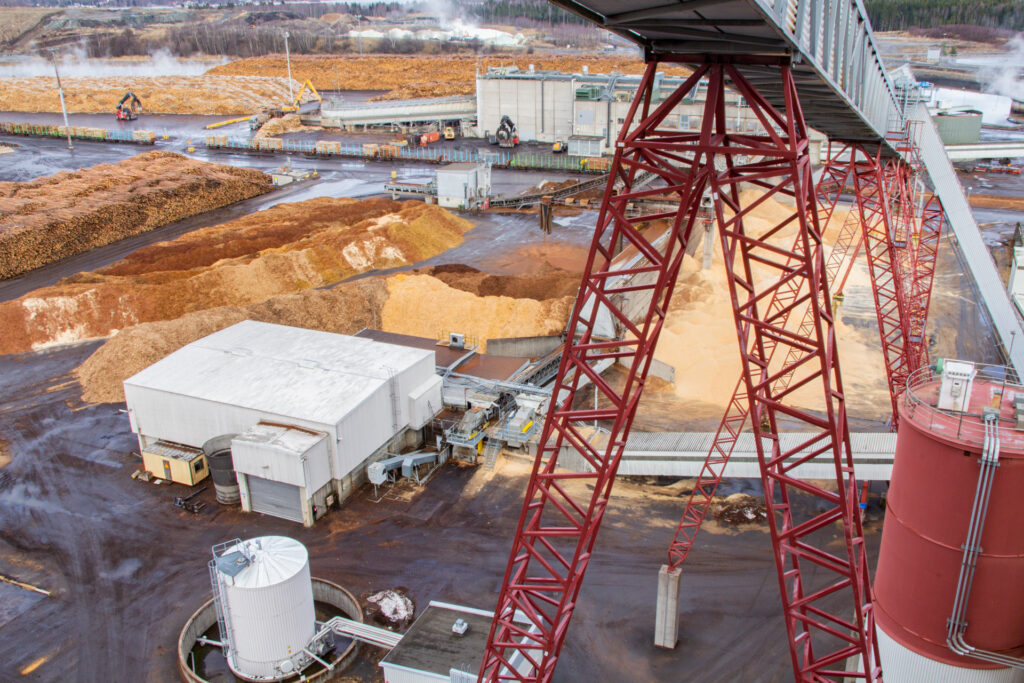
Nothing goes to waste. Logs are sawn into planks and boards. Bark and forest residues, such as branches and stumps, are used for energy production at Alholmens Kraft. Bark is also used for landscaping and gardening, while wood chips are used in pulp production.
OSTP

At OSTP, we are helping to build a safer and more sustainable world.
Our stainless steel tubes and fittings are used in industries where quality and safety are absolutely critical – pharmaceutical manufacturing, where medicines must be produced under perfect conditions; the food industry, where processes must be clean and safe; and data centres, where technological development requires efficient cooling. These are just a few examples of the many industries in which OSTP’s tubes and fittings play a vital role.
For nearly 80 years, OSTP Finland has been driven by the same motivation: to be the best at what we do. Behind our products stands an entire ecosystem of people and expertise. Here, not only metalworkers are employed, but also specialists in everything from maintenance and quality to logistics and production planning. Together, we create products that the world trusts – every day.
NCE (Nordpipe Composite Engineering Oy)
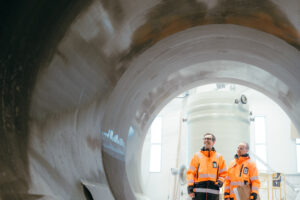
NCE Oy (Nordpipe Composite Engineering Oy) specializes in technical industrial plastics. Its product portfolio consists of pipes and tanks designed for demanding and high-pressure conditions, manufactured from composite materials, primarily glass fibre composites.
Billerud
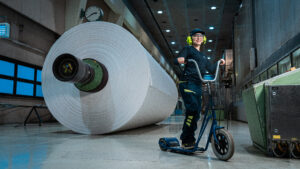
We are a world-leading manufacturer of premium papers and packaging materials made from virgin fibre. Millions of people around the world use responsibly produced packaging made from Billerud’s papers every day.
We manufacture sack and kraft paper for flour and sugar bags, shopping bags, and technical applications such as sandpaper, roll and rice wrappers, as well as liquid packaging board. Billerud serves customers in more than 100 countries with renewable and recyclable products.
Nautor Swan
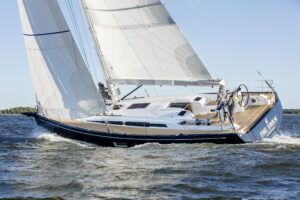
Nautor Swan is one of the most renowned names in the world of sailing. Founded in 1966, the company is internationally known for its high-quality sailing yachts.
Each yacht represents timeless elegance, exceptional craftsmanship, outstanding performance, continuous innovation, and uncompromising reliability.
Baltic Yachts
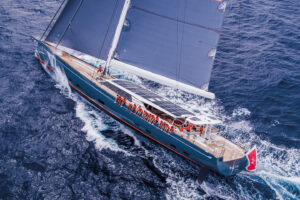
Baltic Yachts is the world’s leading manufacturer of custom-built carbon fibre sailing yachts.
Port of Pietarsaari
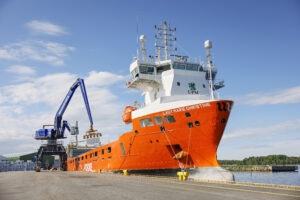
Approximately 300 vessel calls per year, with industrial customers located in the area.
An 11-metre fairway and regular shipping connections to Central Europe, including ports such as Lübeck, Emden, and Alexandria.
The main products handled through the port are pulp, sawn timber, paper, cement, and lye. The objective is to continuously improve conditions for transporting increasing volumes of general cargo, containerized goods, and wood products.
Euroports
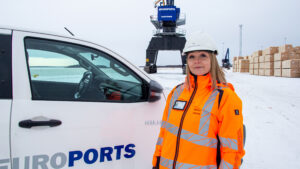
Euroports’ terminal in Pietarsaari is a significant export hub for pulp and sawn timber. Euroports is responsible for virtually all cargo handling at the Port of Pietarsaari and, to a large extent, also for warehousing operations.
Circular economy
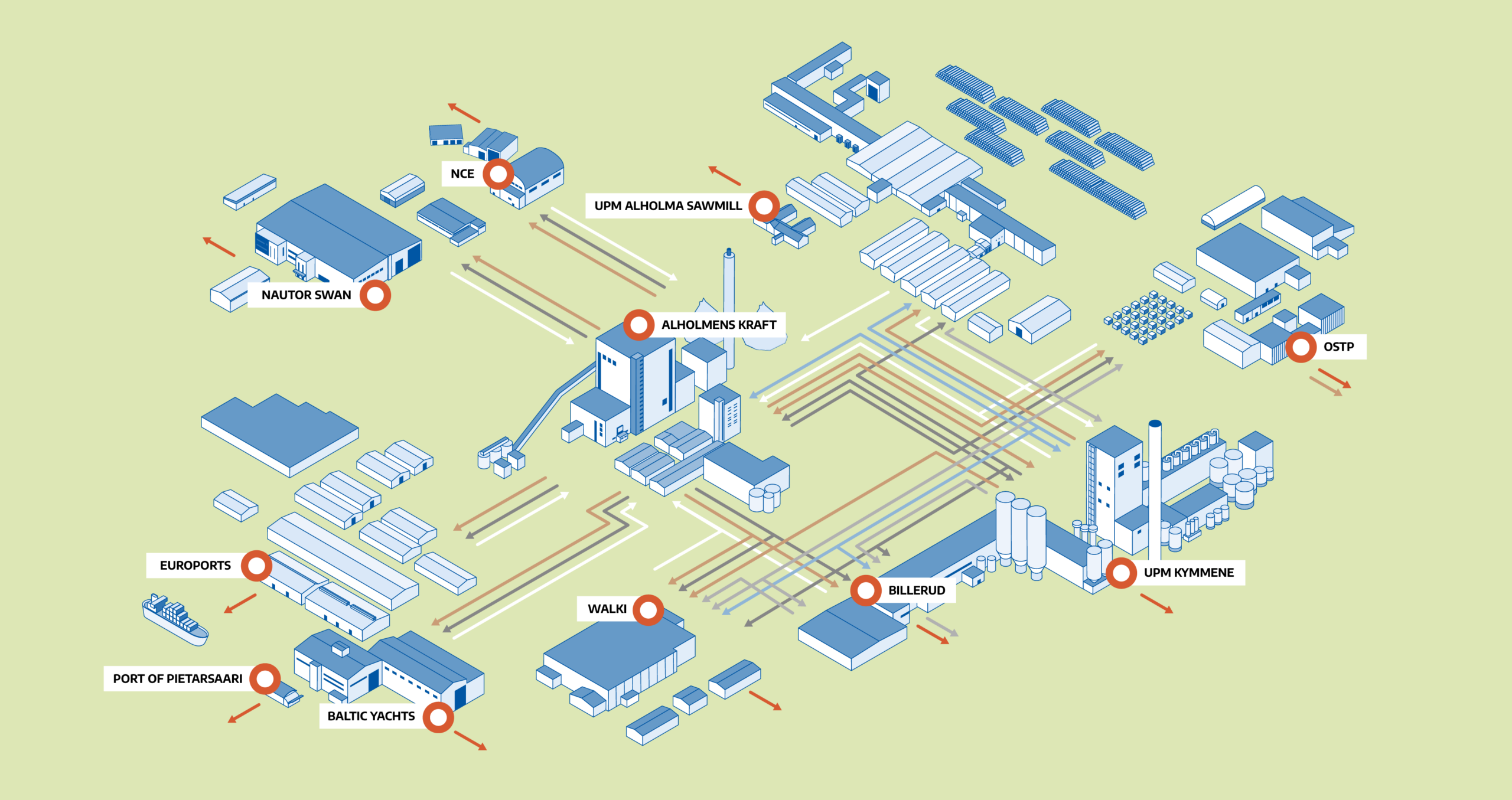
UPM’s pulp mill in Jakobstad
All parts of the wood are utilised in the production of renewable raw materials. Wood is converted into sawn timber, pulp, energy, heat, biofuels, biochemicals and turpentine. All materials are utilised multiple times within UPM’s pulp mill. For example, chemicals used in the process are purified and repeatedly recovered for reuse.
The recovery boiler built at UPM Jakobstad in 2004 was the largest in the world at the time of its completion. The boiler is used to combust chemical by‑products generated in the pulp production process.
At the same time, combustion in the recovery boiler generates electricity, part of which is used for the mill’s own operations. UPM Jakobstad produces more electricity than it consumes, and the surplus is sold to the national electricity grid via Fingrid. Of all energy produced, 99.6 % is renewable (2025).
Water used in the production process is circulated several times. The Jakobstad pulp mill abstracts its water from Lake Luodonjärvi. After treatment in mechanical and biological wastewater treatment plants, the water is returned to the sea. The biological treatment stage takes place in basins containing beneficial bacteria and microorganisms that purify the water. Wastewater discharges are monitored and assessed regularly through both internal controls and inspections by authorities. On average, approximately 80 % of the water used in pulp production is returned to water bodies.
Steam
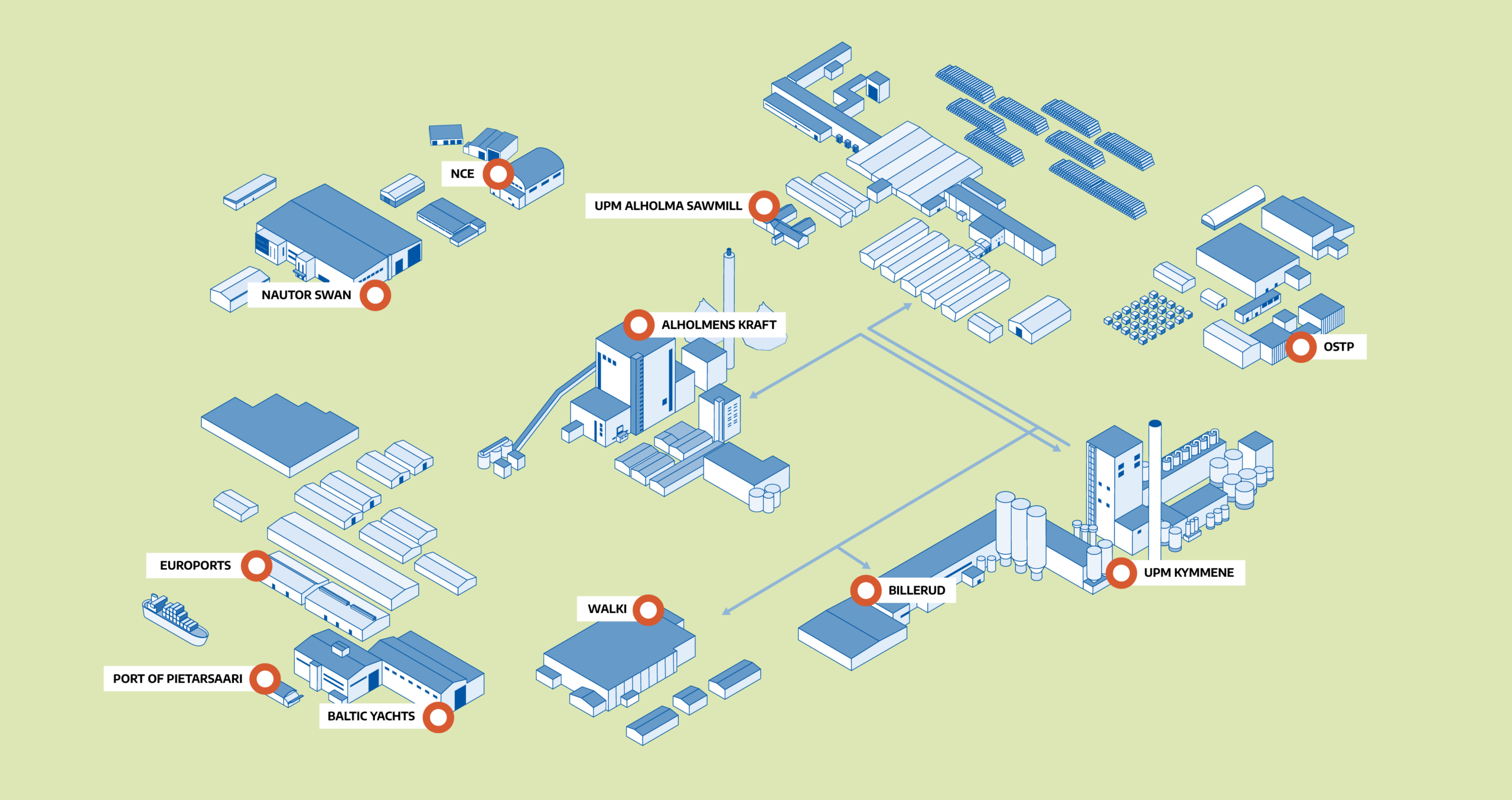
Process steam in production

Alholmens Kraft produces process steam that is supplied to UPM for use in its production processes. This steam is an essential prerequisite for pulp production operations.
At the same time, the energy system is bidirectional: surplus steam and thermal energy generated in UPM’s processes can be fed back to Alholmens Kraft, where it is integrated into the overall energy production system. In this way, steam and heat circulate between the parties and form an industrial symbiosis in which energy efficiency is improved and surplus energy is utilised as efficiently as possible.
A bidirectional energy system

Alholmens Kraft produces process steam that is supplied to UPM for use in its production processes. This steam is an essential prerequisite for pulp production operations.
At the same time, the energy system is bidirectional: surplus steam and thermal energy generated in UPM’s processes can be fed back to Alholmens Kraft, where it is integrated into the overall energy production system. In this way, steam and heat circulate between the parties, improving energy efficiency and ensuring that surplus energy is utilised as efficiently as possible.
District Heating
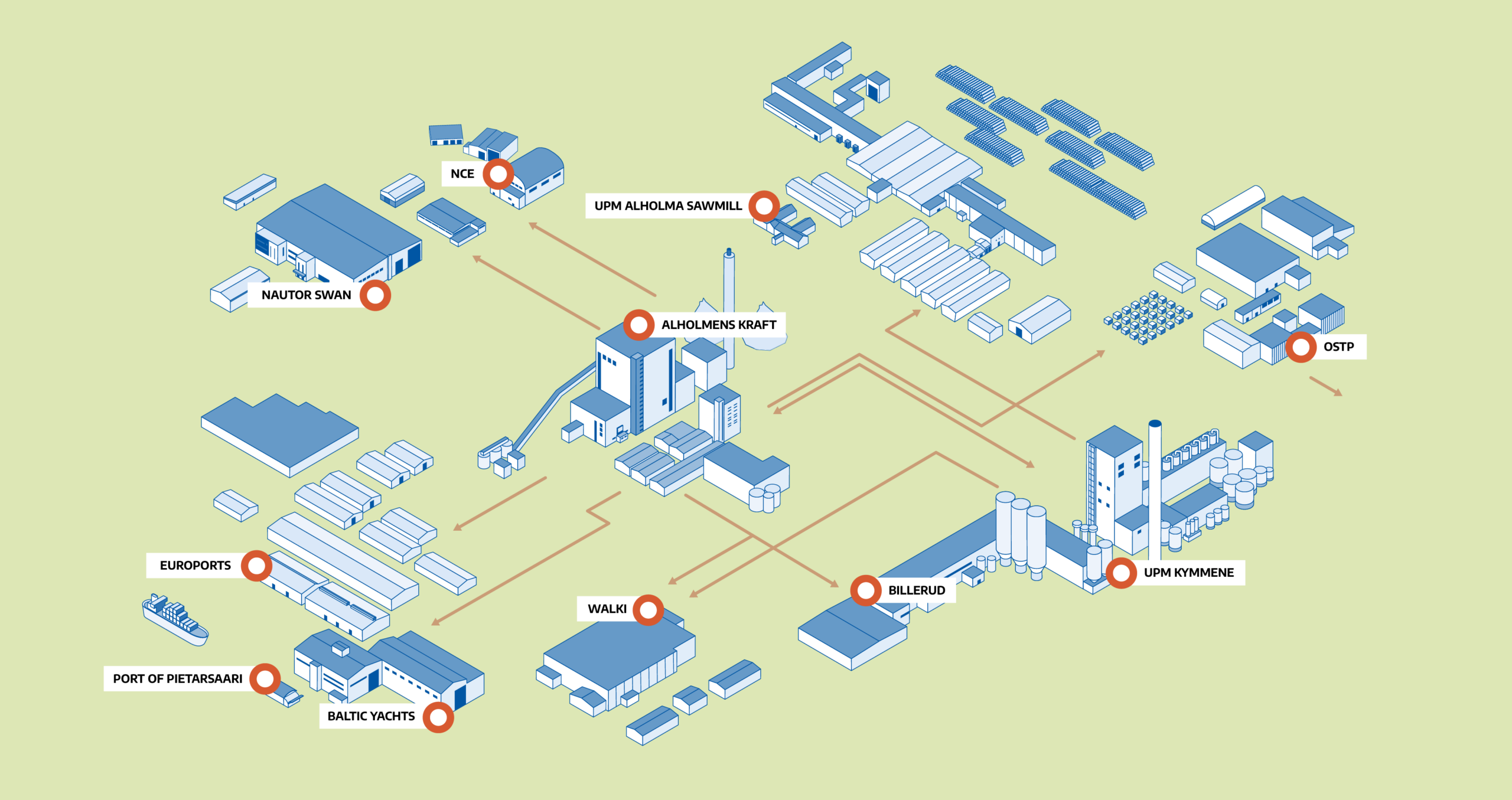
Nautor Swan’s district heating is supplied via Herrfors

Nautor Swan is not connected to the forest industry integration’s internal heat distribution system. Instead, its district heating is supplied through Herrfors. Herrfors is one of the owners of Alholmens Kraft and plays a key role in the distribution of district heating in the region.
NCE’s district heating is supplied via Herrfors
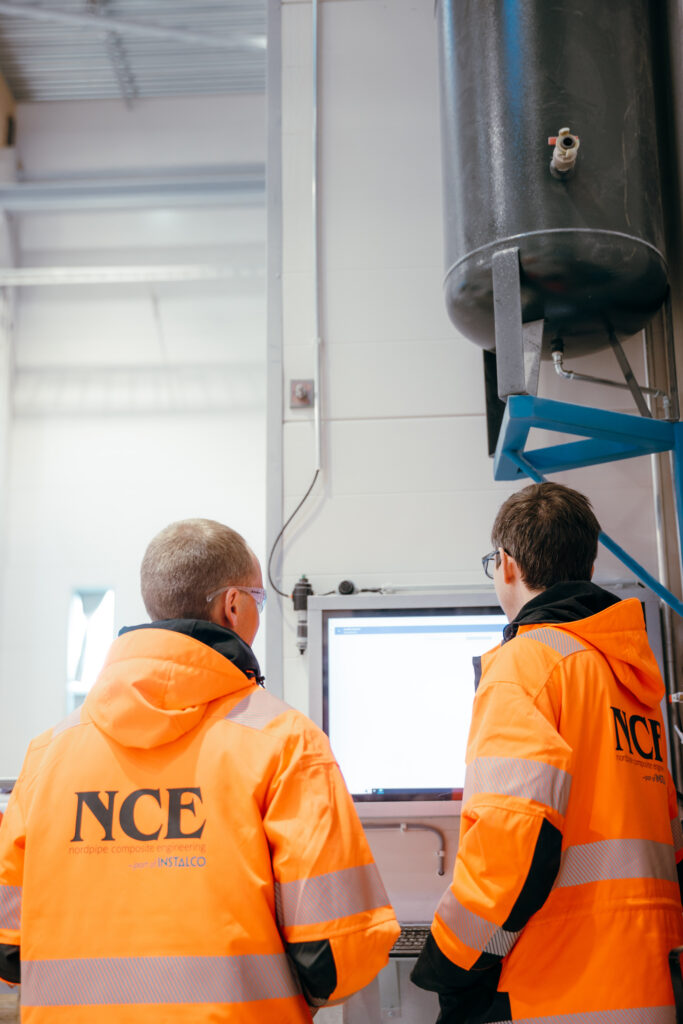
NCE is not connected to the forest industry integration’s internal heat distribution system. Instead, its district heating is supplied through Herrfors. Herrfors is one of the owners of Alholmens Kraft and plays a key role in the distribution of district heating in the region.
The Port of Pietarsaari’s and Europort’s district heating is supplied via Herrfors
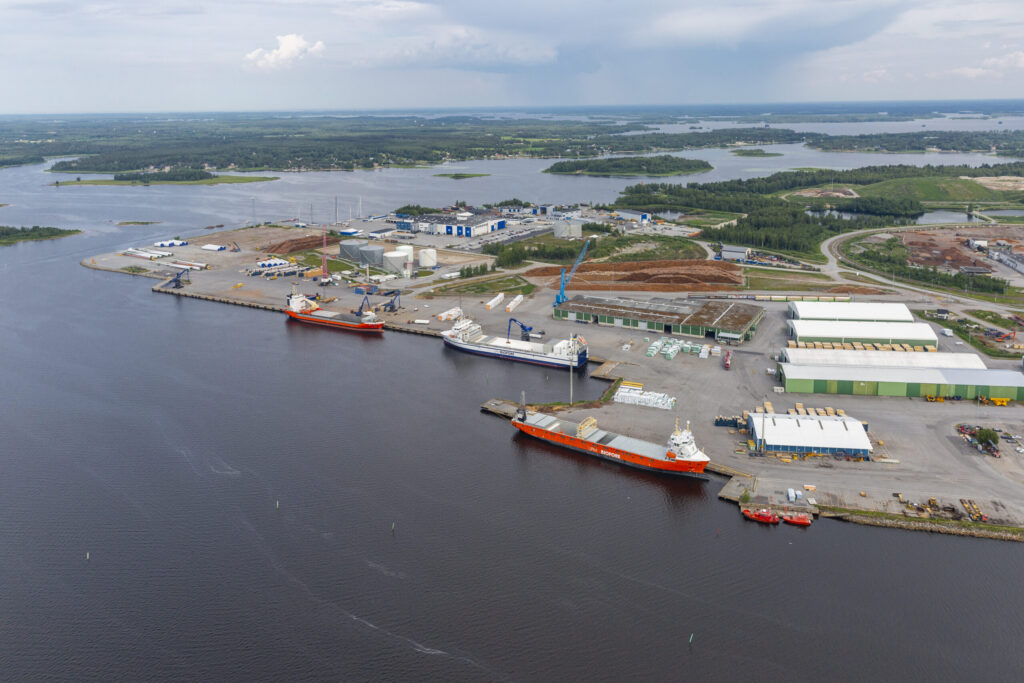
The Port of Pietarsaari and Euroports are not connected to the forest industry integration’s internal heat distribution system. Instead, its district heating is supplied through Herrfors. Herrfors is one of the owners of Alholmens Kraft and plays a key role in the distribution of district heating in the region..
Baltic Yacht’s district heating is supplied via Herrfors
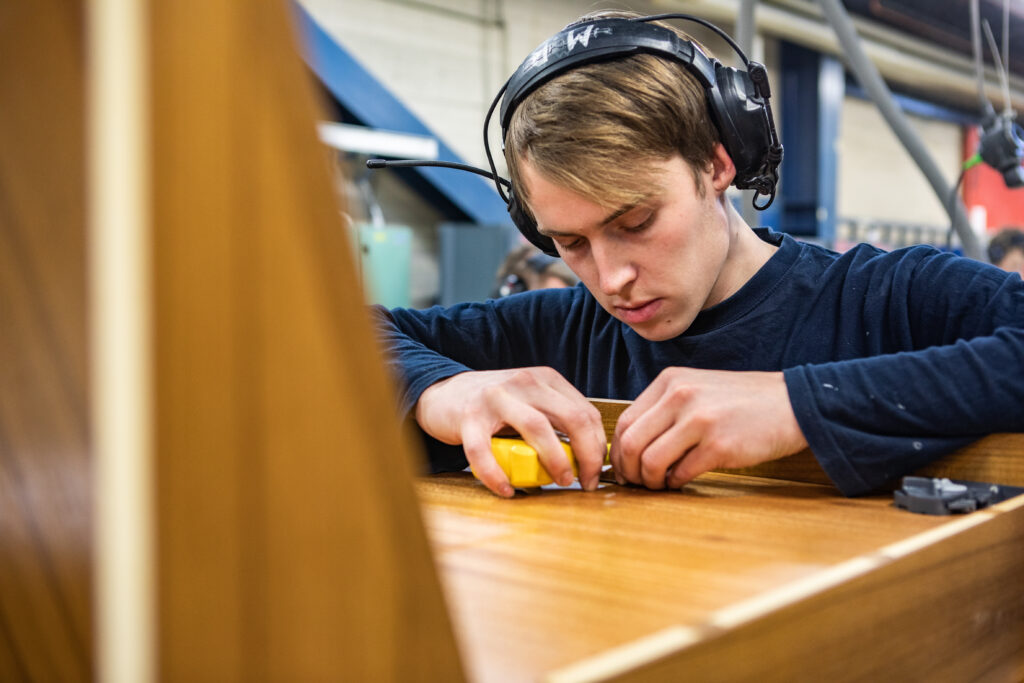
Baltic Yachts is not connected to the forest industry integration’s internal heat distribution system. Instead, its district heating is supplied through Herrfors. Herrfors is one of the owners of Alholmens Kraft and plays a key role in the distribution of district heating in the region.
OSTP’s district heating is supplied via Herrfors
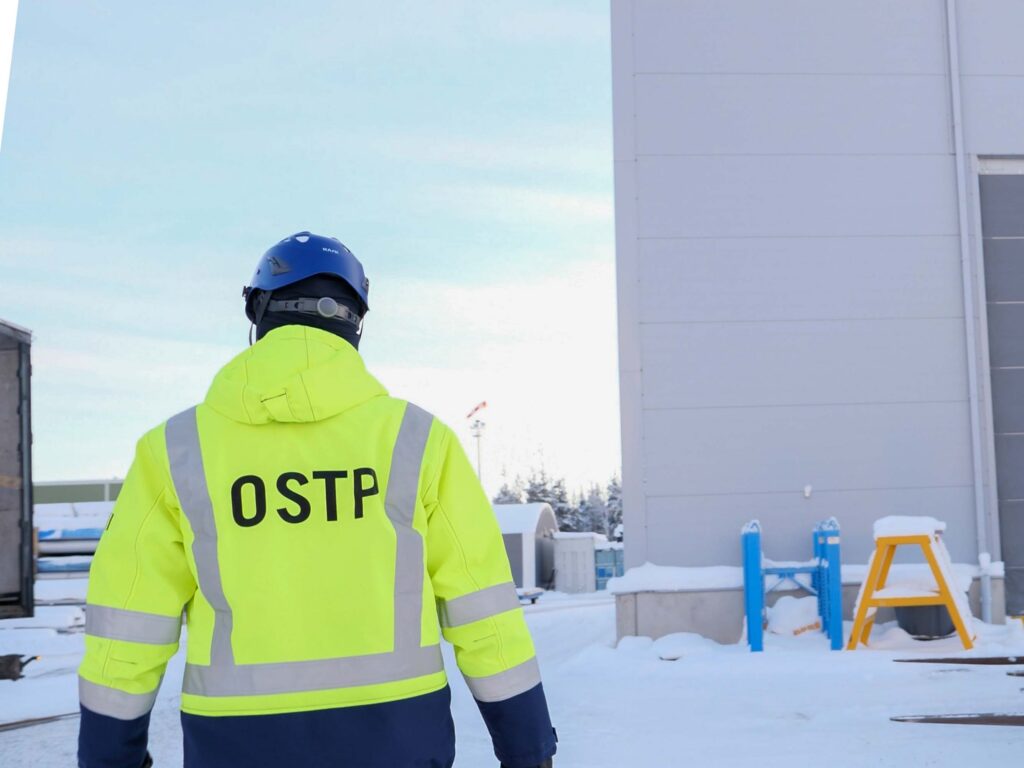
OSTP is not connected to the forest industry integration’s internal heat distribution system. Instead, its district heating is supplied through Herrfors. Herrfors is one of the owners of Alholmens Kraft and plays a key role in the distribution of district heating in the region.
District heating for UPM’s Alholmen sawmill is supplied via UPM
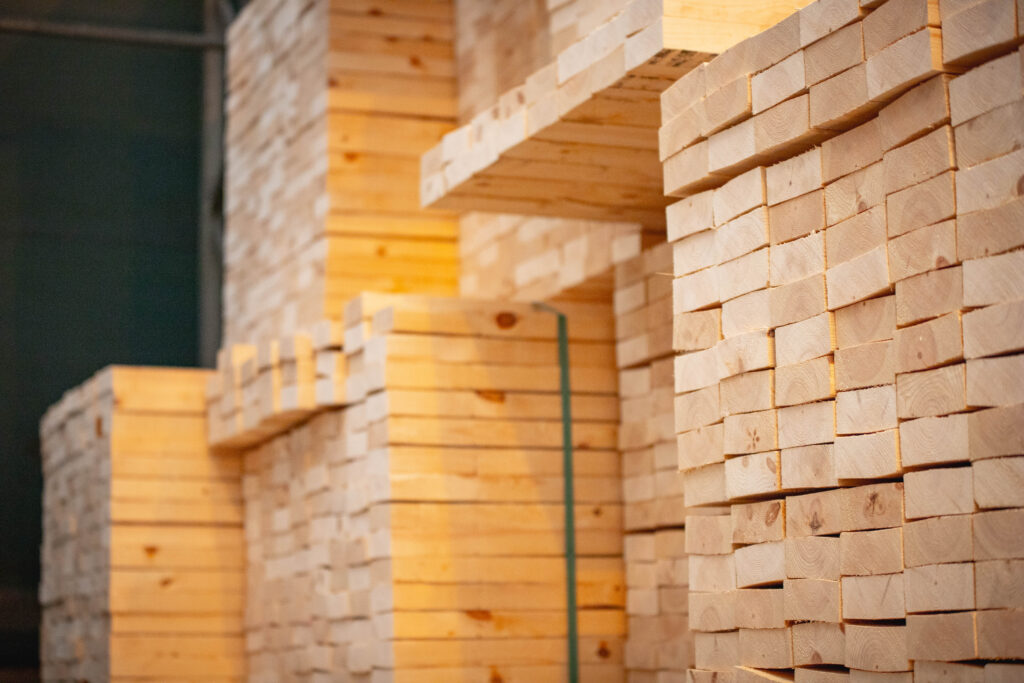
District heating for UPM’s Alholmen sawmill is provided through UPM.
District heating for Walki and Billerud is supplied via UPM
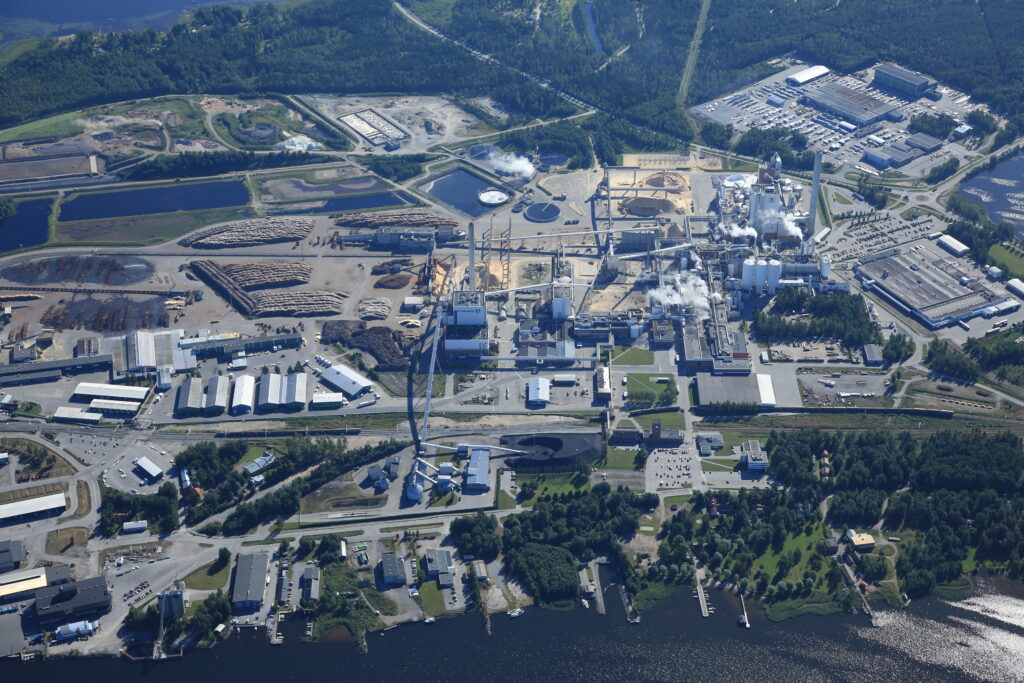
District heating for Walki and Billerud is provided through UPM.
District heating cooperation between UPM and Alholmens Kraft
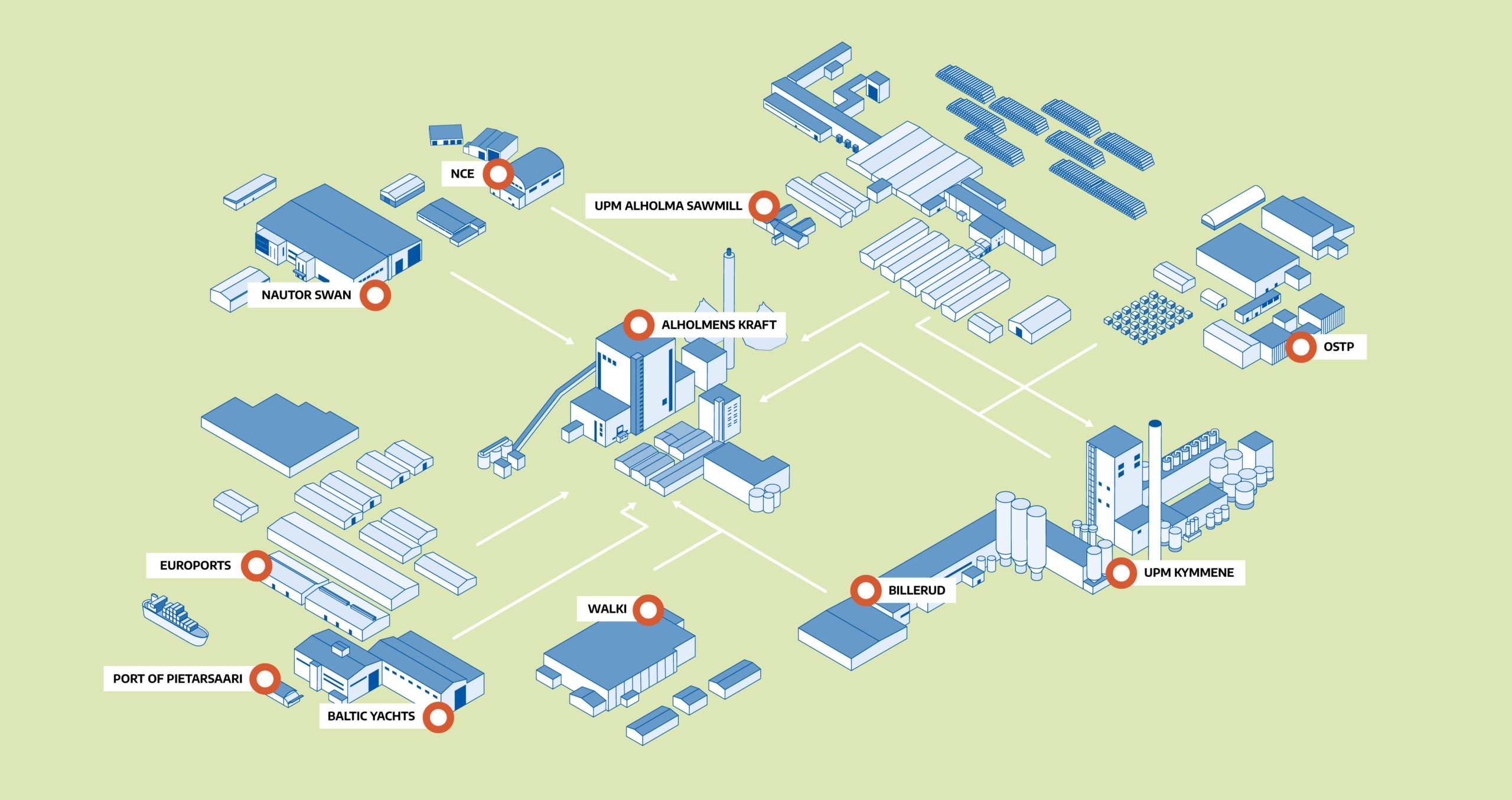
Alholmens Kraft acts as the district heating producer for UPM. UPM and AK form an industrial symbiosis in which UPM supplies AK with bio‑based fuels, and AK produces district heating from these fuels for UPM’s use.
Industrial symbiosis of district heating
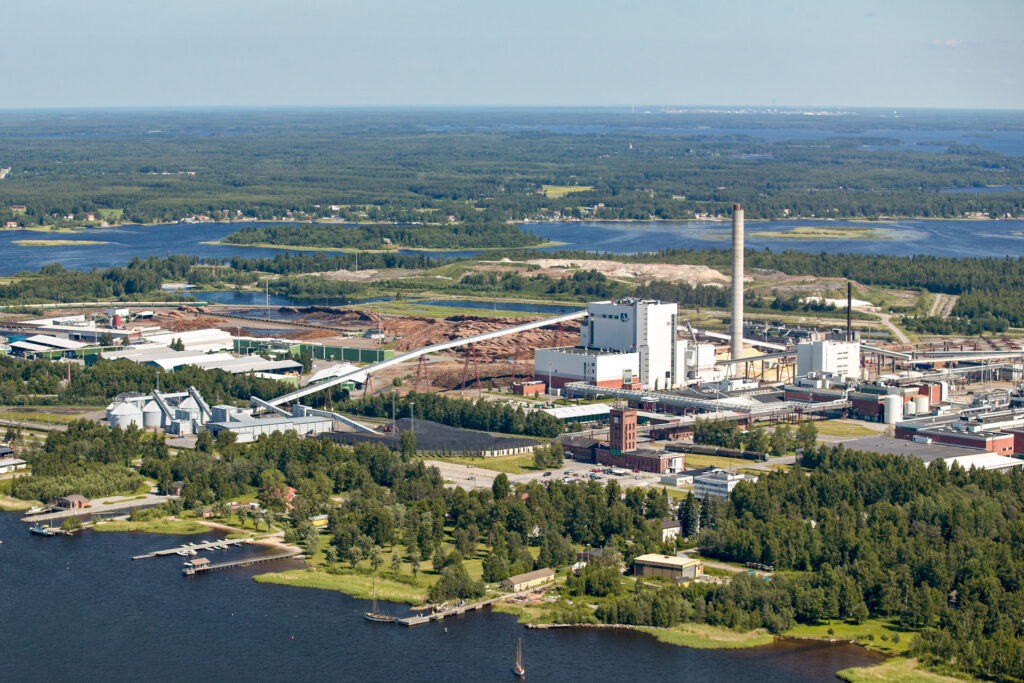
UPM and Alholmens Kraft form an industrial symbiosis in which UPM supplies Alholmens Kraft with bio‑based fuels, and Alholmens Kraft produces energy from these fuels for UPM’s use.
Walki and Billerud are also part of this system. Their production facilities are connected to the same district heating structure, and they purchase district heating via UPM from the heat produced by Alholmens Kraft.
District heating supplied to Herrfors’ district heating network
District heating produced by Alholmens Kraft is fed into the district heating network owned by Herrfors, which is responsible for the distribution of district heating in the City of Jakobstad. Herrfors’ district heating network further supplies heat to residential buildings, properties and other typical end‑user destinations, such as public buildings and service facilities.
Wood-based material
Energy from sawmill side streams
When logs are sawn into planks and boards, side streams such as bark, sawdust and wood chips are generated. The sawdust and wood chips are mainly directed to pulp production as raw material, while the bark is utilised for energy production within the forest industry integration. The bark is used as a biofuel for energy generation, and in addition, part of the bark is used for landscaping purposes.
Energy from NCE’s wood‑based side streams
Recycled wood and other wood‑based side streams generated in NCE’s operations are utilised in energy production at Alholmens Kraft. These side streams are delivered to Alholmens Kraft, where they are used as fuel for energy generation.
Energy from Nautor Swan’s wood‑based side streams
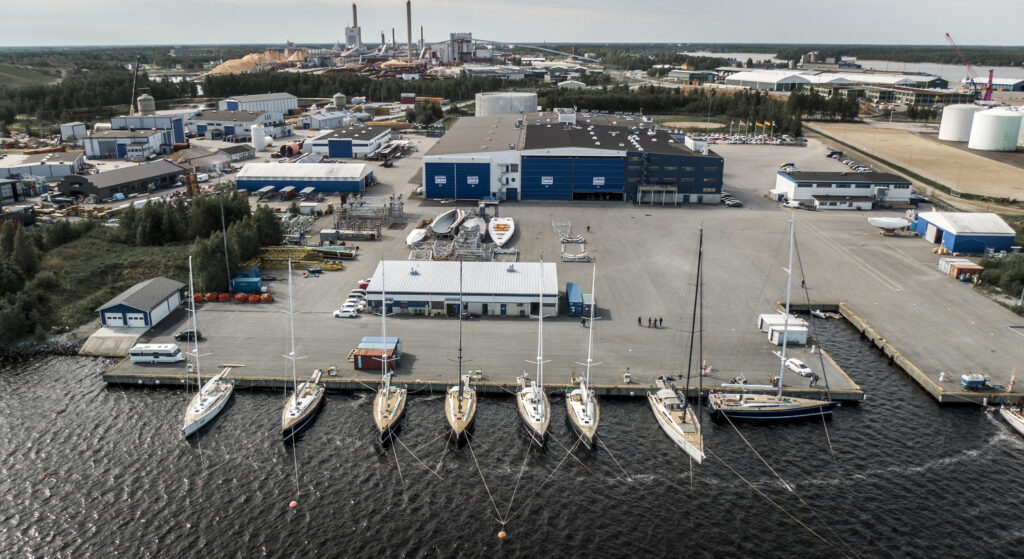
Recycled wood and other wood‑based side streams generated in Nautor Swan’s operations are utilised in energy production at Alholmens Kraft. These side streams are delivered to Alholmens Kraft, where they are used as fuel for energy generation.
Energy fromBaltic Yacht’s wood‑based side streams
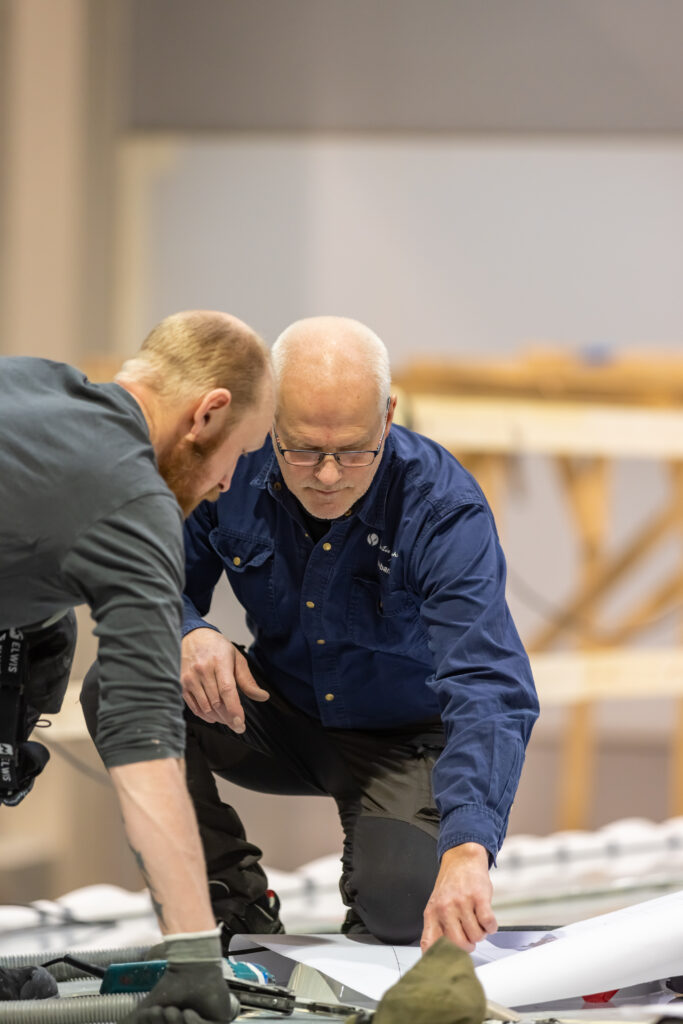
Recycled wood and other wood‑based side streams generated in Baltic Yacht’s operations are utilised in energy production at Alholmens Kraft. These side streams are delivered to Alholmens Kraft, where they are used as fuel for energy generation.
Energy from the Port of Pietarsaari’s and Europort’s wood‑based side streams
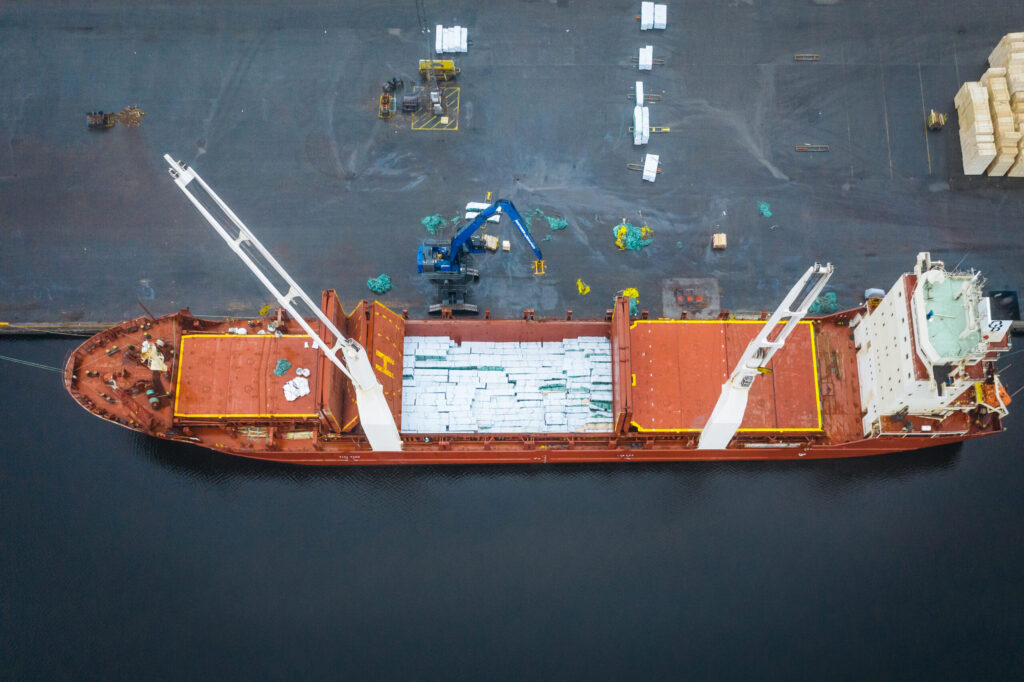
Recycled wood and other wood‑based side streams generated in the Port of Pietarsaari’s and Europort’s operations are utilised in energy production at Alholmens Kraft. These side streams are delivered to Alholmens Kraft, where they are used as fuel for energy generation.
Energy from wood‑based side streams from Billerud and Walki
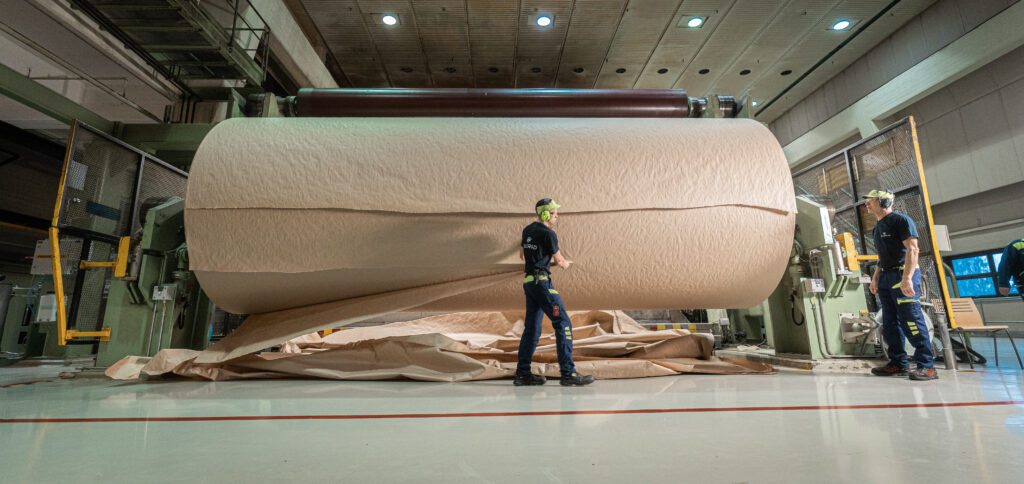
Recycled wood and other wood‑based side streams generated in the operations of Walki and Billerud are utilised in energy production at Alholmens Kraft. The recycled wood is delivered to Alholmens Kraft, where it is used as fuel for the production of electricity and heat.
In addition, the paper and packaging materials industry generates other side streams suitable for energy use. Fibre sludge generated in Billerud’s processes contains wood fibres and can, after treatment or through co‑firing, be utilised in energy production. Edge trim generated in Walki’s production mainly consists of fibre‑ and wood‑based materials, which are well suited for use as an energy fraction, particularly when material recycling is not appropriate.
Pulp from sawmill sawdust and wood chips
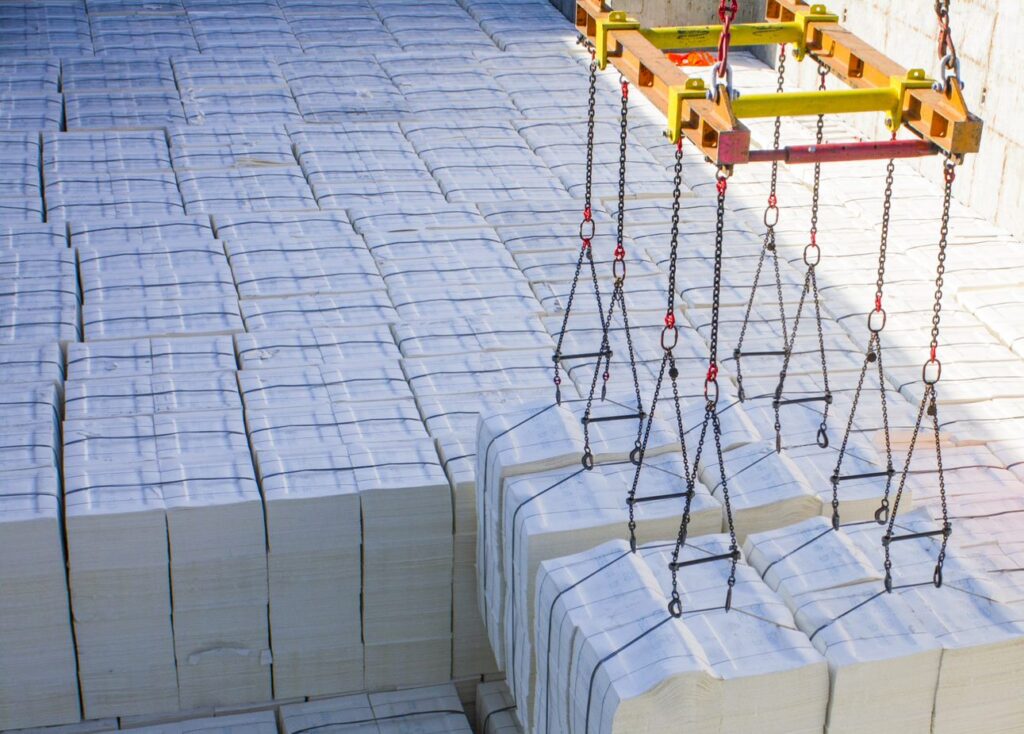
Sawdust and wood chips generated in sawmill operations are primarily used as raw material for pulp production.
Energy from OSTP’s wood‑based side streams
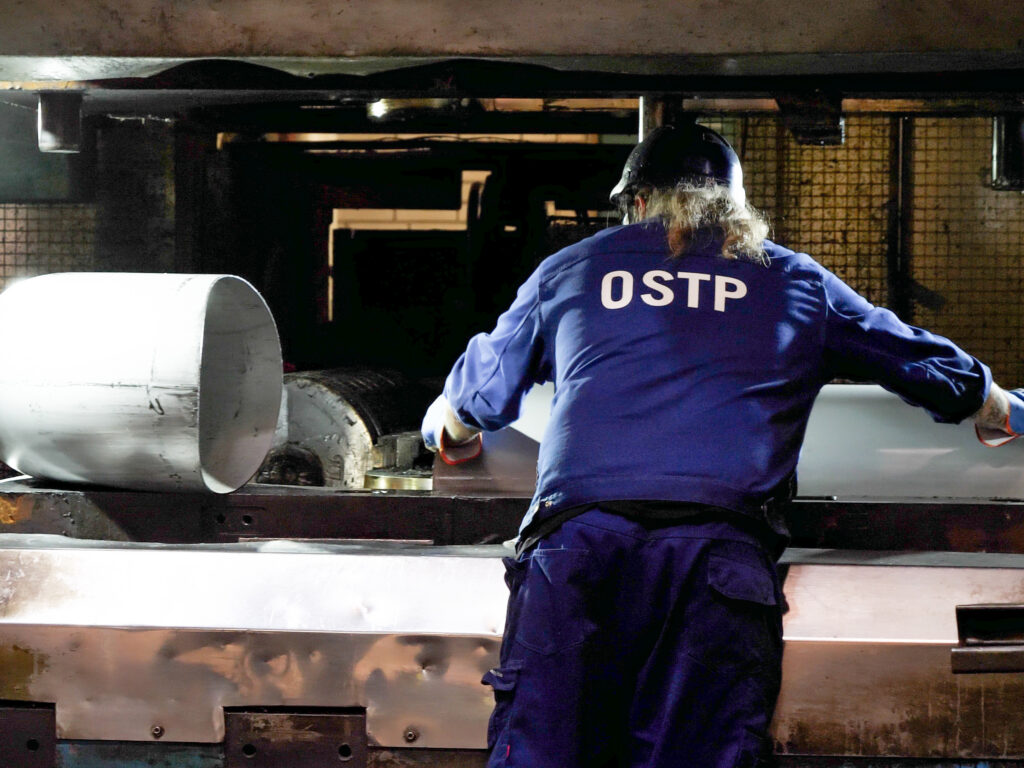
Recycled wood and other wood‑based side streams generated in OSTP’s operations are utilised in energy production at Alholmens Kraft. These side streams are delivered to Alholmens Kraft, where they are used as fuel for energy generation.
UPM’s side streams are converted into energy, among other uses
In pulp production, not a single piece goes to waste. Bark and forest residues such as branches and stumps are used in energy production at Alholmens Kraft. The majority of the wood‑based fuel used by Alholmens Kraft consists of logging residues from regional forests. Small‑diameter wood, tree tops and branches are baled into bundles in the forest and crushed at the power plant using large, slow‑speed shredders. Stumps are crushed either at the power plant or at an earlier stage in the supply chain. The fuel mix also includes roundwood that is not suitable for pulp production.
Pulp production also generates other wood‑based side streams that are not suitable for pulp manufacturing or are rejected during the production process. These side streams are likewise converted into energy.
Wood‑based side streams supplied by UPM make up the largest share of Alholmens Kraft’s renewable fuel base.
Electricity

Local biogenic electricity

Alholmens Kraft is the world’s largest biofuel‑fired power plant and produces electricity for both industry and consumers.
AK produces electricity for its owners (Herrfors, UPM‑Kymmene and Pohjolan Voima), who either use the energy themselves or sell it onwards to end users. AK generates electricity in an environmentally friendly and cost‑efficient manner, while taking the principles of sustainable development into account. The objective is to keep the share of biofuels as high as possible. The electricity produced by the power plant competes on the open Nordic electricity market. The more competitive the plant is, the greater the use of biofuels becomes.
UPM’s Jakobstad mills supply bark from pulpwood and saw logs and are the largest single supplier.
Most of the other wood‑based fuels consist of logging residues from forests in the region. Branches and tops are baled into bundles in the forest and crushed at the power plant site using heavy, slow‑speed crushers. Stumps are crushed either at the power plant or earlier in the supply chain. Roundwood that is not suitable for pulp production is also used as part of the fuel mix. In 2024, AK used 944 GWh of biofuels. This represents a decrease compared to 2023, when biofuel use amounted to 1,031 GWh.
The use of energy waste fuels and recycled wood is prioritised at the power plant, and their share of the fuel used at AK2 was 4.6 % during the year. Some of the recycled wood used originates from industrial facilities within the AIP area, supporting regional material utilisation.
The share of peat decreases year by year and accounted for 15.4 % of total fuel use in 2024. Peat still plays a role in ensuring security of supply, as relatively large amounts of fuel can be delivered at short notice when energy demand is high. At the AK plant, coal is mainly used as a support fuel to safeguard production during disturbances or disruptions in fuel logistics. In 2024, coal accounted for less than 3 % of AK’s total fuel consumption.
NCE’s electricity is supplied via Herrfors
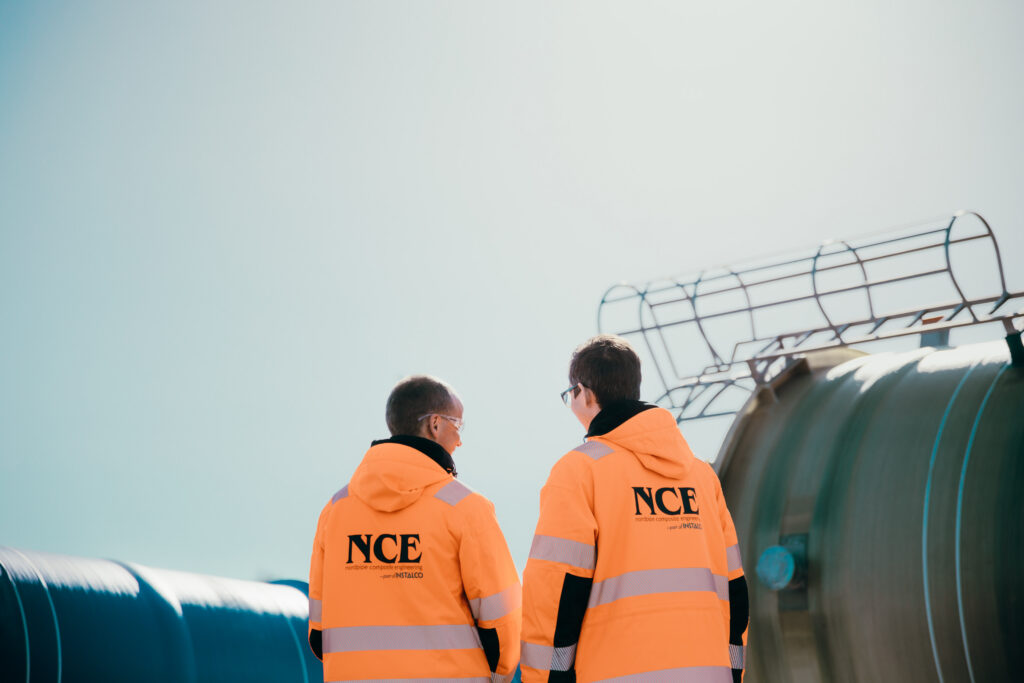
NCE is not connected to the forest industry integration’s internal energy system; instead, its electricity supply is provided through Herrfors. Herrfors is one of the owners of Alholmens Kraft and plays a key role in electricity distribution in the region.
Nautor Swan’s electricity is supplied via Herrfors
Nautor Swan is not connected to the forest industry integration’s internal energy system; instead, its electricity supply is provided through Herrfors. Herrfors is one of the owners of Alholmens Kraft and plays a key role in electricity distribution in the region.
The Ports and Europort’s electricity is supplied via Herrfors
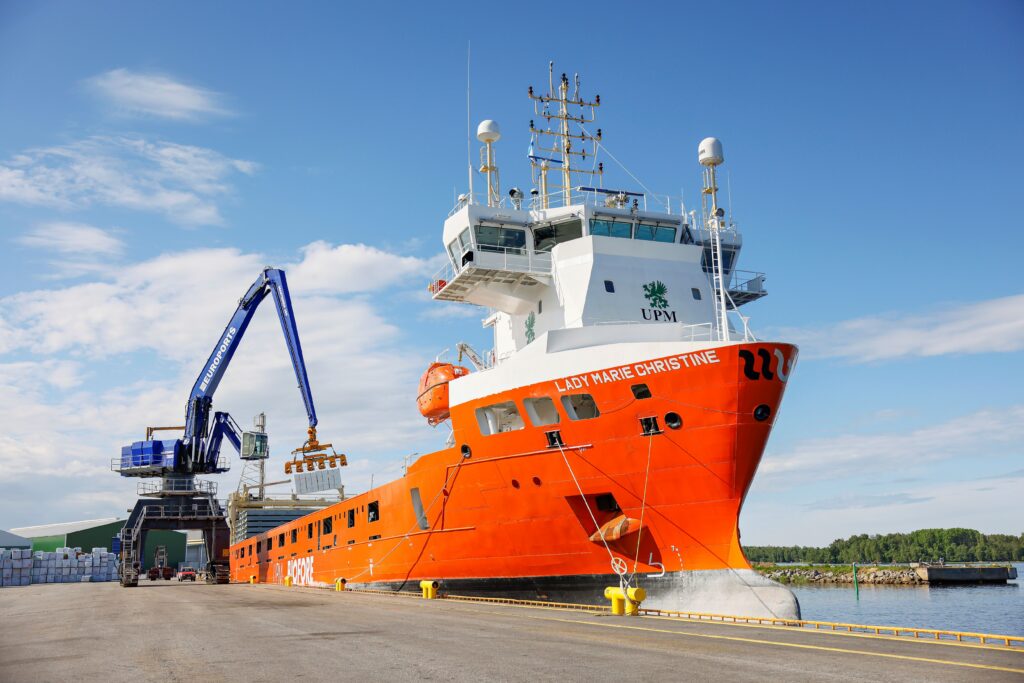
The Port of Pietarsaari and Euroports are not connected to the forest industry integration’s internal energy system; instead, its electricity supply is provided through Herrfors. Herrfors is one of the owners of Alholmens Kraft and plays a key role in electricity distribution in the region.
Baltic Yacht’s electricity is supplied via Herrfors
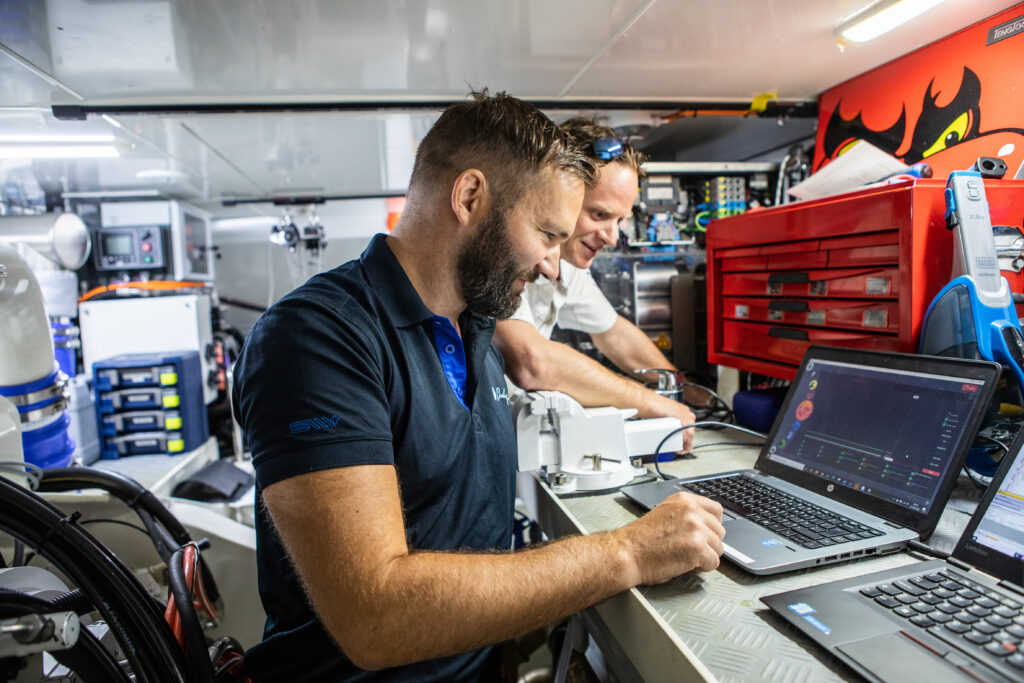
Baltic Yachts is not connected to the forest industry integration’s internal energy system; instead, its electricity supply is provided through Herrfors. Herrfors is one of the owners of Alholmens Kraft and plays a key role in electricity distribution in the region.
OSTP’s electricity is supplied via Herrfors
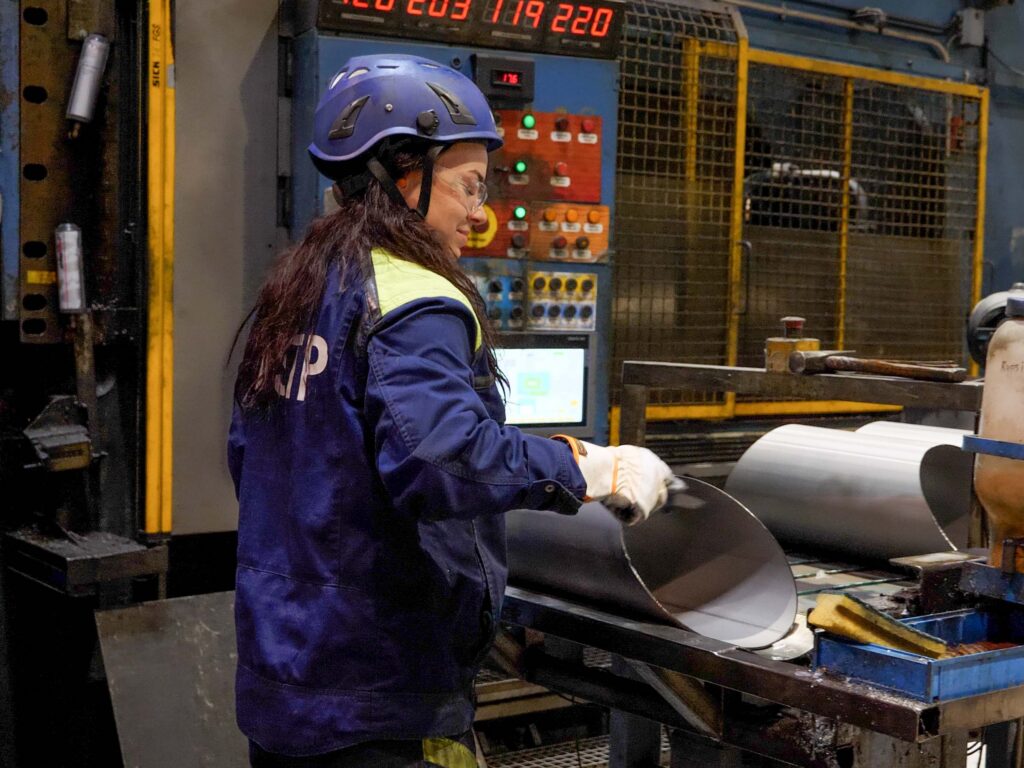
OSTP is not connected to the forest industry integration’s internal energy system; instead, its electricity supply is provided through Herrfors. Herrfors is one of the owners of Alholmens Kraft and plays a key role in electricity distribution in the region.
Electricity is generated in UPM’s recovery boiler
Within the forest industry integration, electricity generation and consumption form a unified system in which different industrial facilities are interconnected through a shared energy system. In the recovery boiler at UPM’s pulp mill, energy is generated by burning by‑products from the pulp production process, and part of this energy is converted into electricity. This electricity is utilised across the entire forest industry integration area.
The electricity produced in the recovery boiler is used at UPM’s Jakobstad pulp mill, UPM’s Alholmen sawmill, as well as at Billerud’s and Walki’s production facilities.
The recovery boiler built by UPM Jakobstad in 2004 was the largest in the world at the time of its completion. UPM Jakobstad produces more electricity than it consumes, and the surplus is sold to the national electricity grid via Fingrid. Of the total energy produced, 99.6 % is renewable (2025).
Alholmens Kraft is part of the forest industry integration
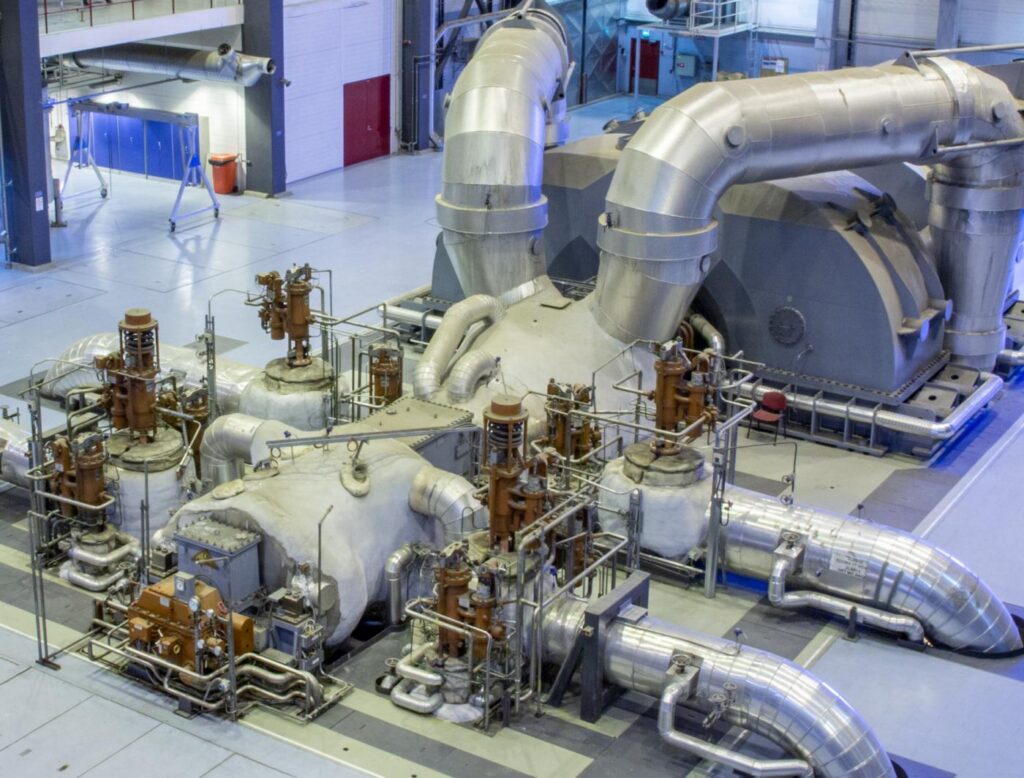
Within the forest industry integration, electricity generation and consumption form an integrated system in which different industrial facilities are interconnected through a shared energy system. In the recovery boiler at UPM’s pulp mill, energy is generated by burning by‑products from the pulp production process, and part of this energy is converted into electricity. Alholmens Kraft (AK) is part of the forest industry integration and also produces biogenic electricity. AK’s production, together with the energy generated in the pulp mill’s recovery boiler, forms the internal electricity system of the forest industry integration. This electricity is utilised throughout the entire forest industry integration area.
Electricity produced at the Alholmens Kraft power plant and in UPM’s recovery boiler is used at UPM’s Jakobstad pulp mill, UPM’s Alholmen sawmill, as well as at Billerud’s and Walki’s production facilities.
Both Alholmens Kraft and UPM‑Kymmene also sell electricity to the national power grid.
Industrial symbiosis of electricity
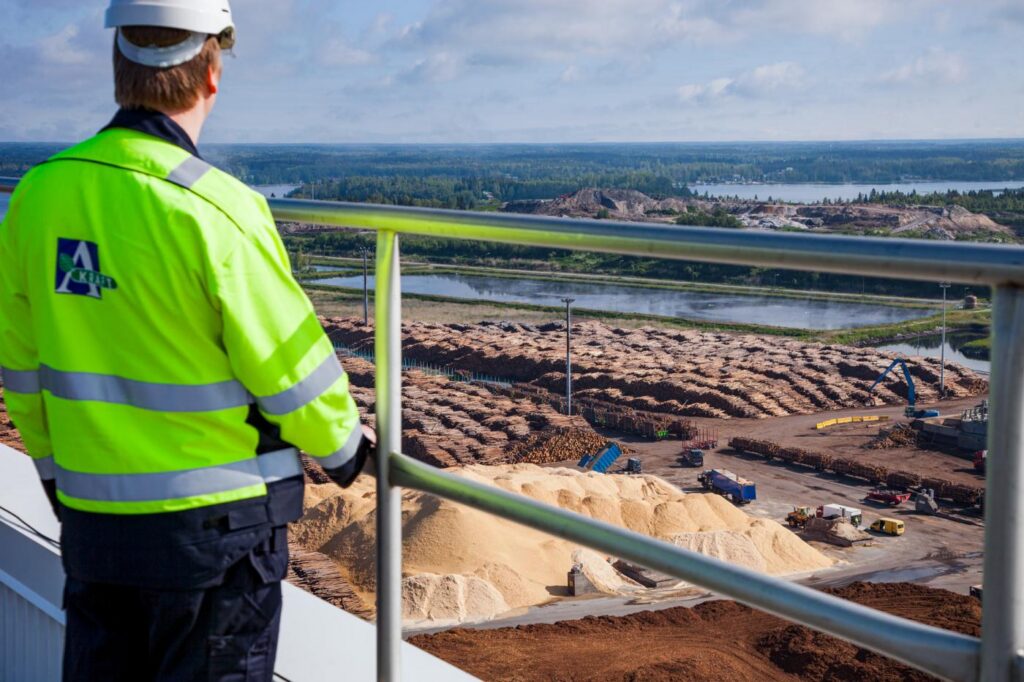
Within the forest industry integration at AIP, the connection between UPM and Alholmens Kraft (AK) forms the core of an industrial symbiosis in which material flows and energy production are closely interlinked. At UPM’s Jakobstad pulp mill, by‑products from the pulp production process are utilised in the recovery boiler, where energy and electricity are generated as part of the production process. This electricity is a key component of the forest industry integration’s internal energy system.
Alholmens Kraft is an integral part of the forest industry integration and the world’s largest biofuel‑fired power plant. AK produces electricity for both industrial use and consumers and supplies energy to its owners—Herrfors, UPM‑Kymmene and Pohjolan Voima—who either use the electricity in their own operations or sell it onward to the electricity market. AK’s objective is to produce electricity in an environmentally friendly and cost‑efficient manner, in line with the principles of sustainable development, while keeping the share of biofuels as high as possible.
UPM also plays a significant role in this system as a fuel supplier. UPM’s Jakobstad mills supply AK with bark from pulpwood and saw logs, making UPM the power plant’s largest single biofuel supplier. In addition, the wood‑based fuels used by AK mainly consist of logging residues from regional forests as well as wood that is not suitable for pulp production. In this way, internal and regional side streams within the forest industry integration are efficiently utilised for energy production.
Products
Pulp is produced from wood chips and sawdust
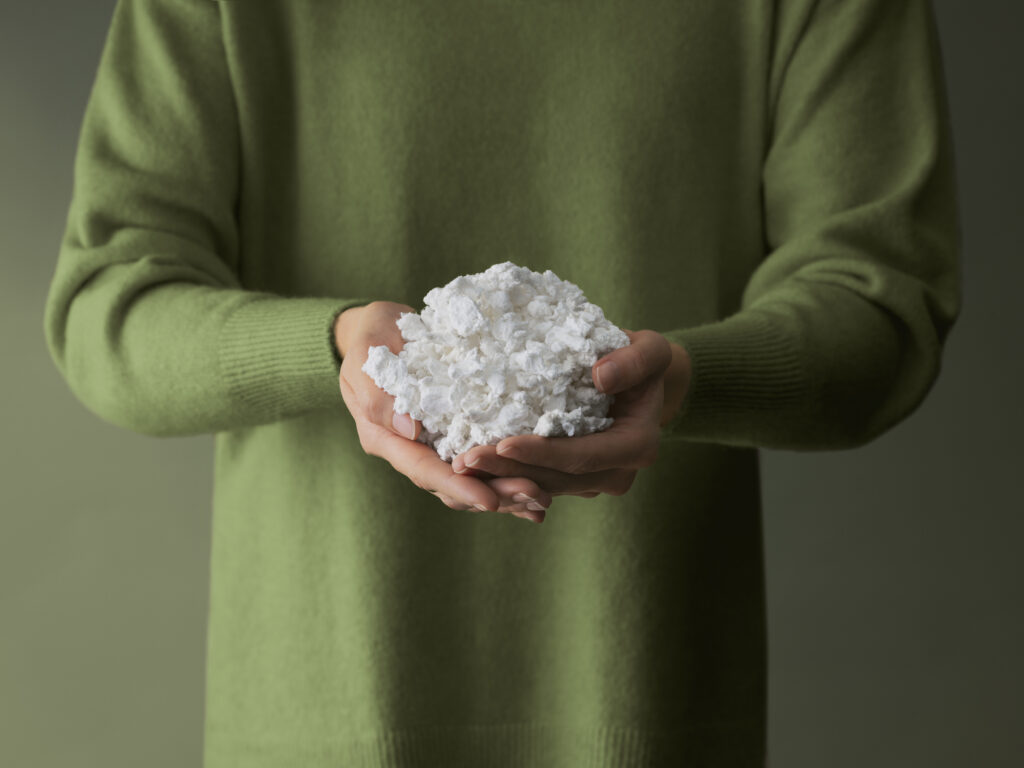
Wood chips and sawdust from UPM’s Alholmen sawmill are used at UPM’s Jakobstad mill for pulp production.
Further processing of paper
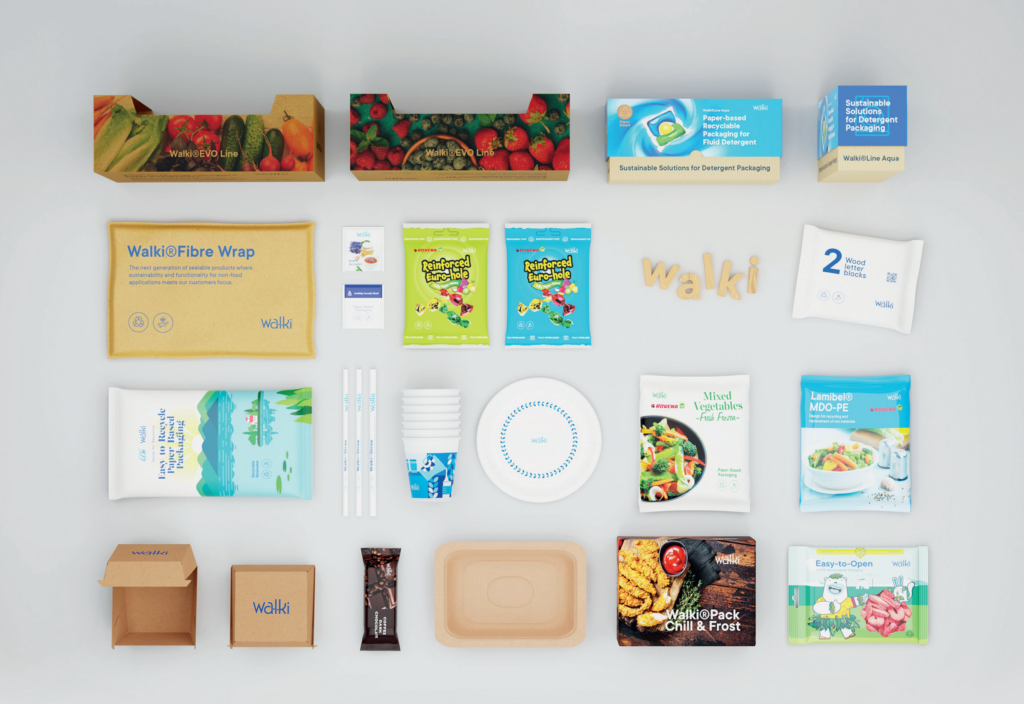
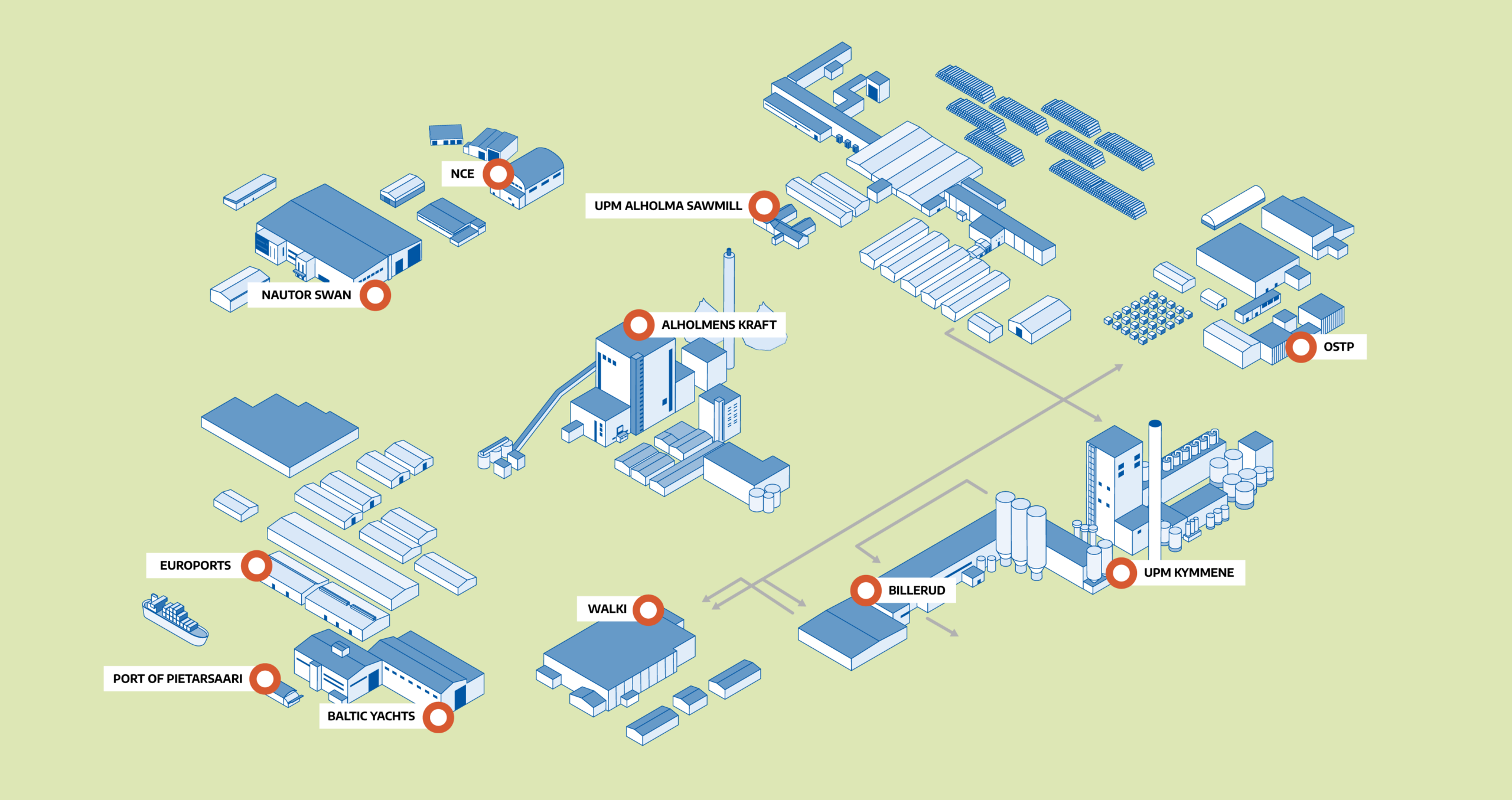
Billerud produces various paper grades, some of which are further processed by Walki into, for example, packaging and technical materials.
Paper is produced from pulp
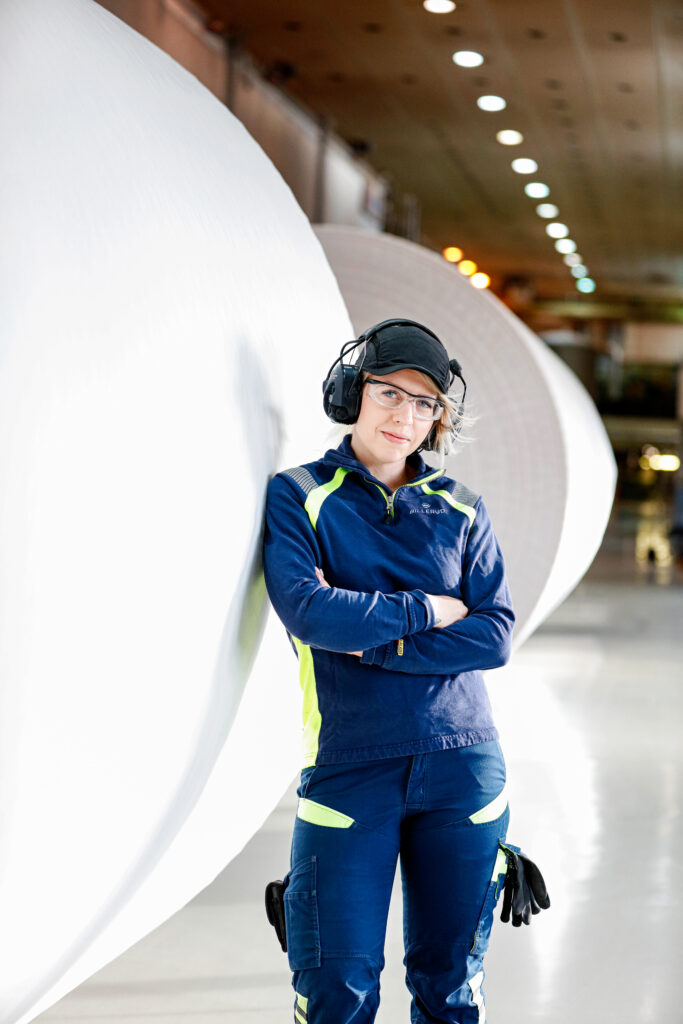
UPM’s pulp mill in Jakobstad produces pulp, which serves as raw material for Billerud’s paper production.
Wrapping material used within the area
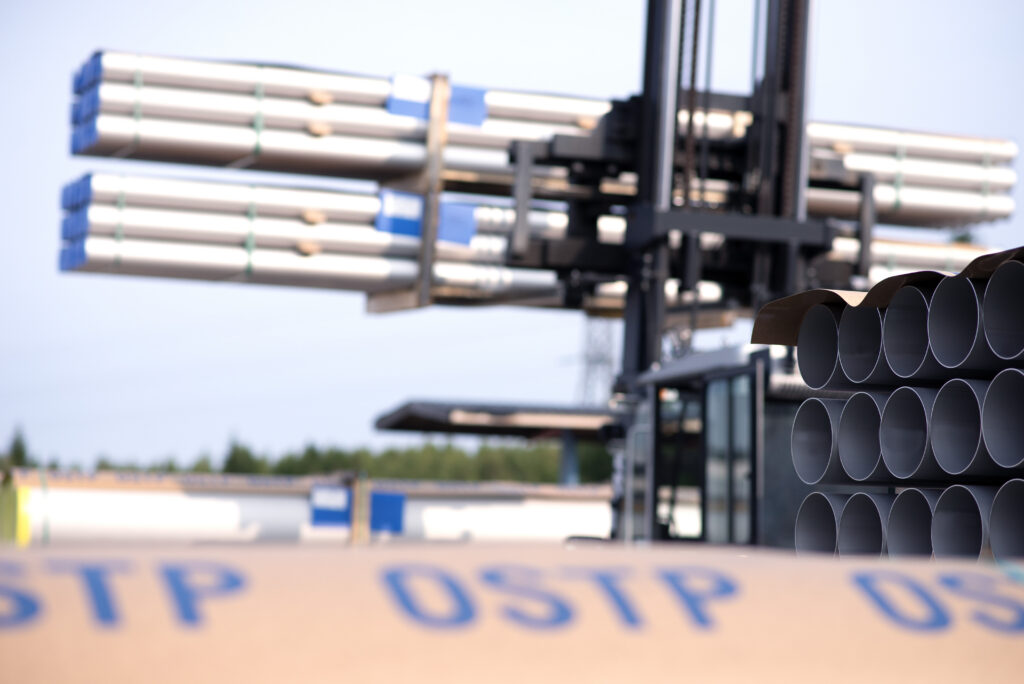
Wrapping material, i.e. paper‑based packaging material, is produced at Walki’s and Billerud’s mills. This packaging material is used for packaging products manufactured at OSTP.
80 % of products exported
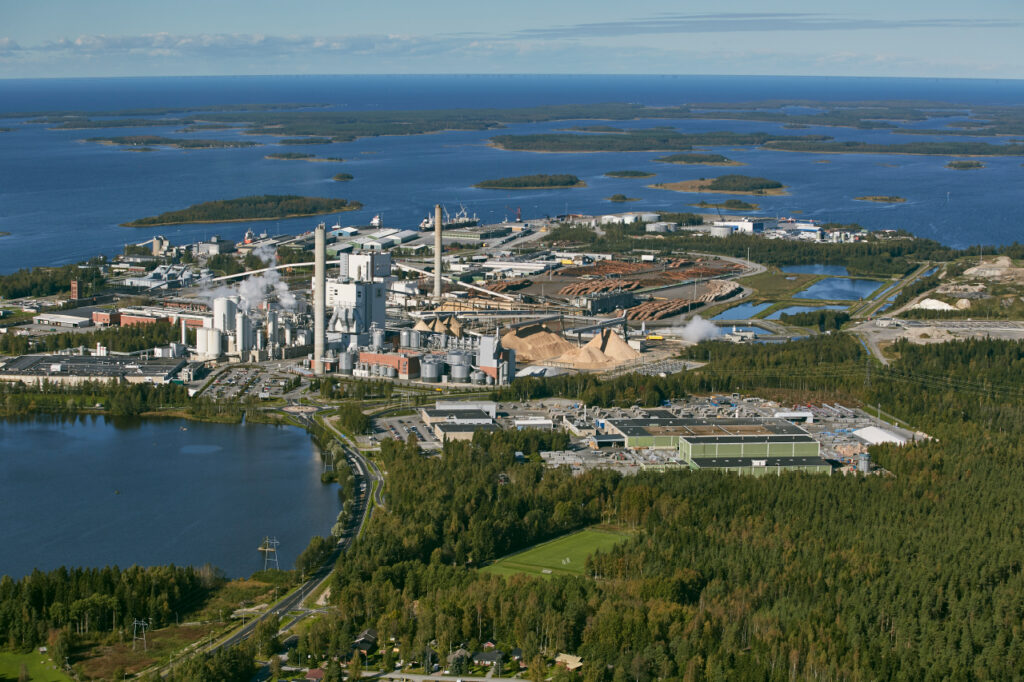
Approximately 80 % of the products manufactured at Alholmen Industrial Park (AIP) are exported.
Export
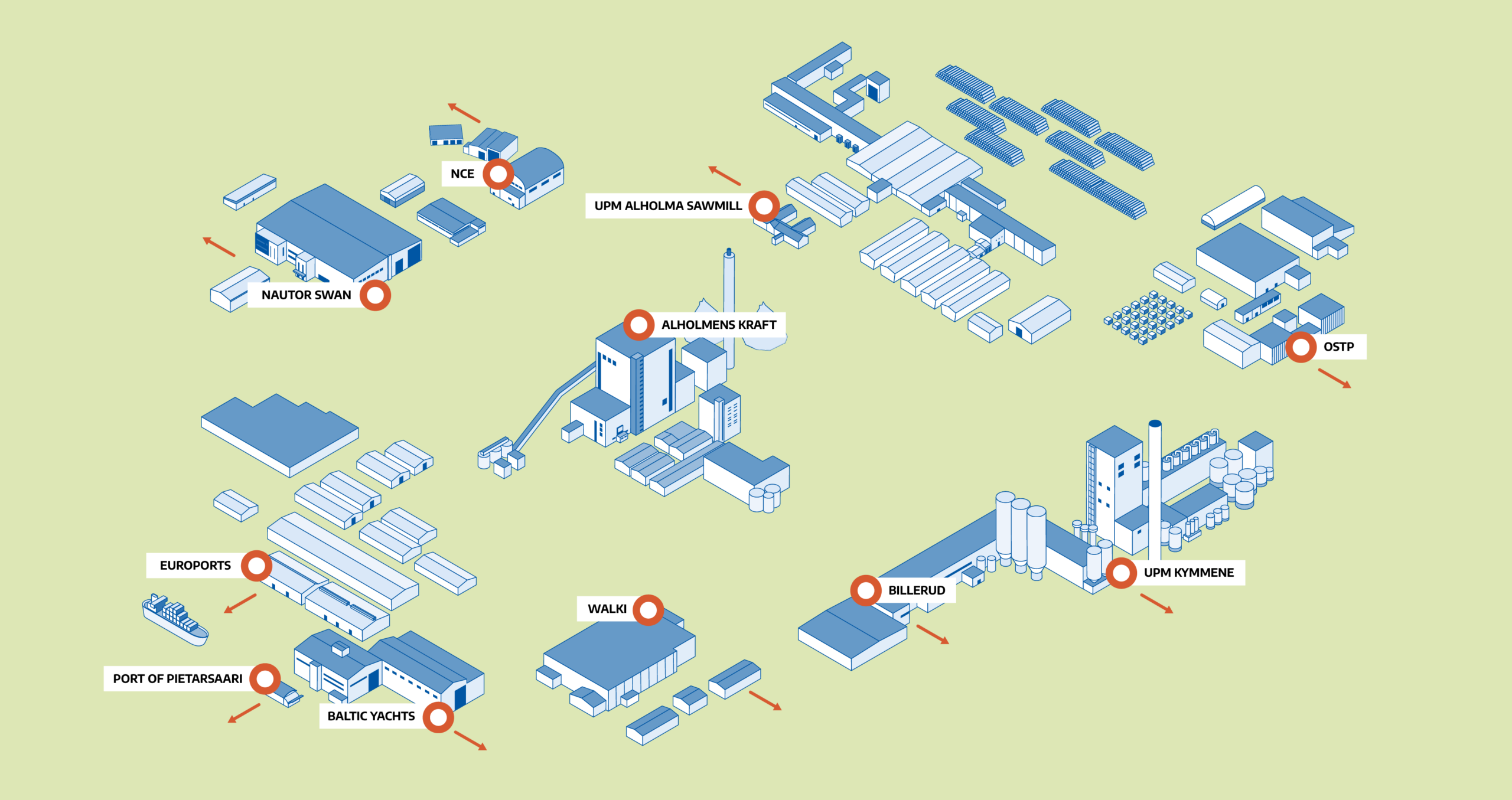
NCE’s project deliveries are supplied worldwide
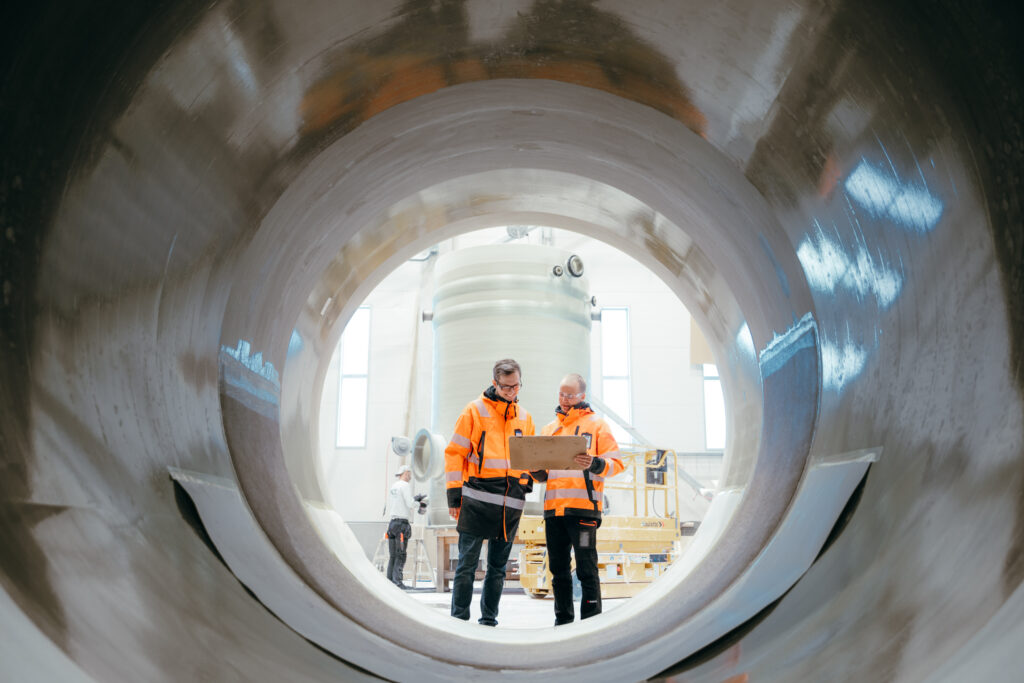
NCE’s project deliveries are supplied worldwide.
The main markets of UPM’s Alholmen sawmill are Finland and Asia
UPM’s Alholmen sawmill produces certified pine and spruce sawn timber for the carpentry, packaging and construction industries. The production capacity is 280,000 cubic metres per year, and the main markets for the sawn timber are Finland and Asia. Through the Port of Jakobstad, the sawmill has direct access to export markets worldwide.
100 % of Nautor Swan’s sailing yachts are exported
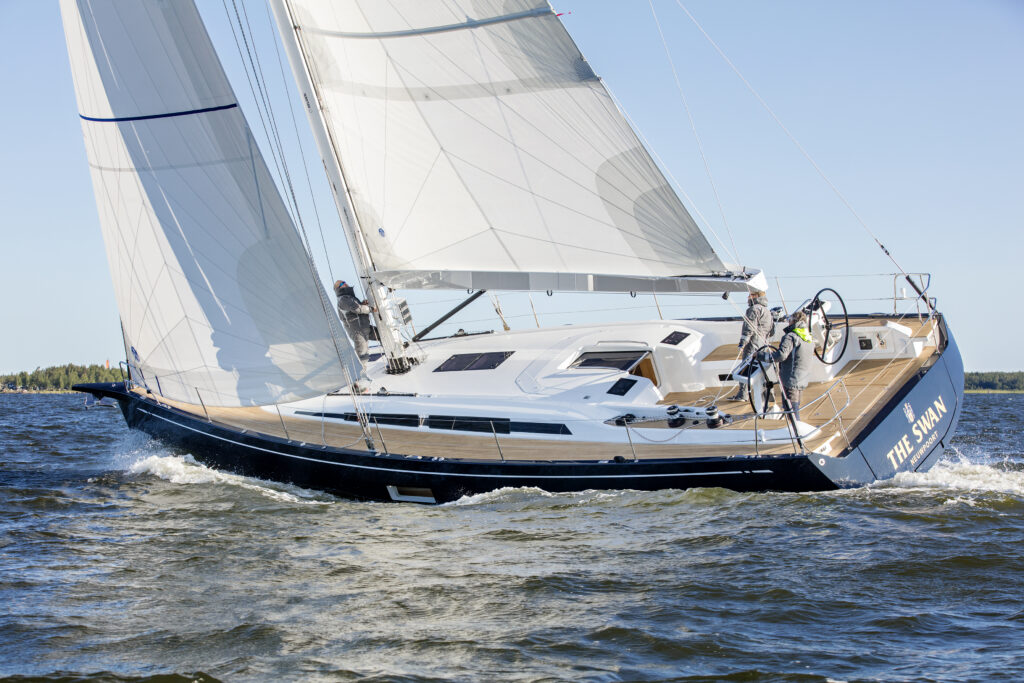
More than 2,350 yachts have been built over six decades, ranging in size from 28 to 131 feet. The portfolio is divided into four product lines: ClubSwan Yachts, Swan Yachts, Swan Maxi Yachts, and Swan Shadow, which represents the motor yacht range.
Euroports handles over 1.5 million tonnes of cargo per year
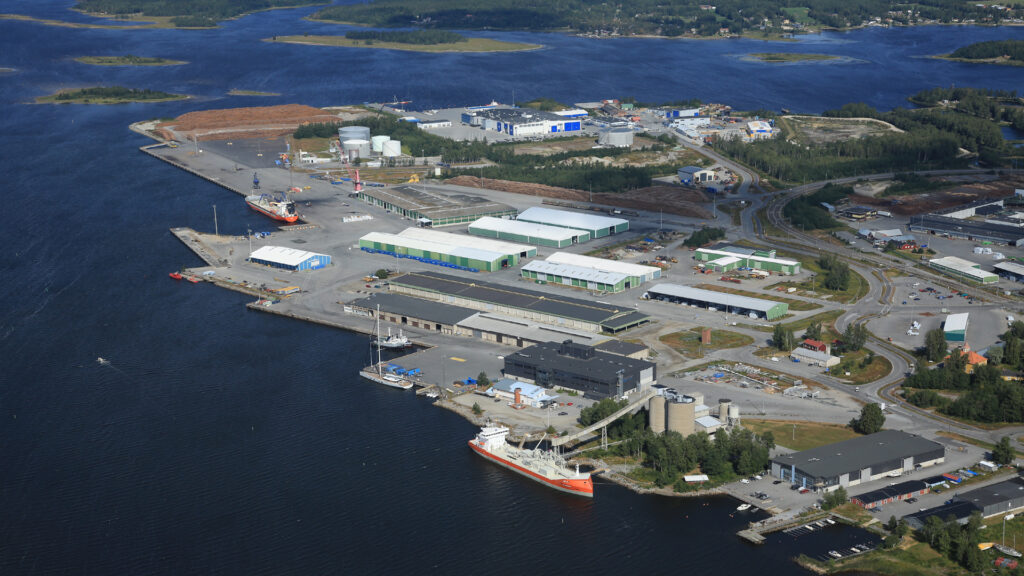
Euroports Pietarsaari handles more than 1.5 million tonnes of cargo annually, corresponding to approximately 26,000 full truck‑and‑trailer transports. A single large vessel can carry up to 30,000 cubic metres of sawn timber, which is equivalent to around 500 truckloads. The main product groups exported through the port are pulp, sawn timber and paper, and UPM is the largest individual customer.
From the Port of Jakobstad, there are regular shipping connections to several ports in Europe and the Mediterranean, as well as to North Africa and the Baltic Sea region.
Exports account for 70 %.
Imports account for 20 %.
Domestic traffic accounts for 10 %.
Exports via the Port of Jakobstad account for 70 %
The main products transported through the port are pulp, sawn timber, paper, cement and lye.
Exports account for 70 %.
Imports account for 20 %.
Domestic traffic accounts for 10 %.
100 % of Baltic Yachts’ sailing yachts are exported
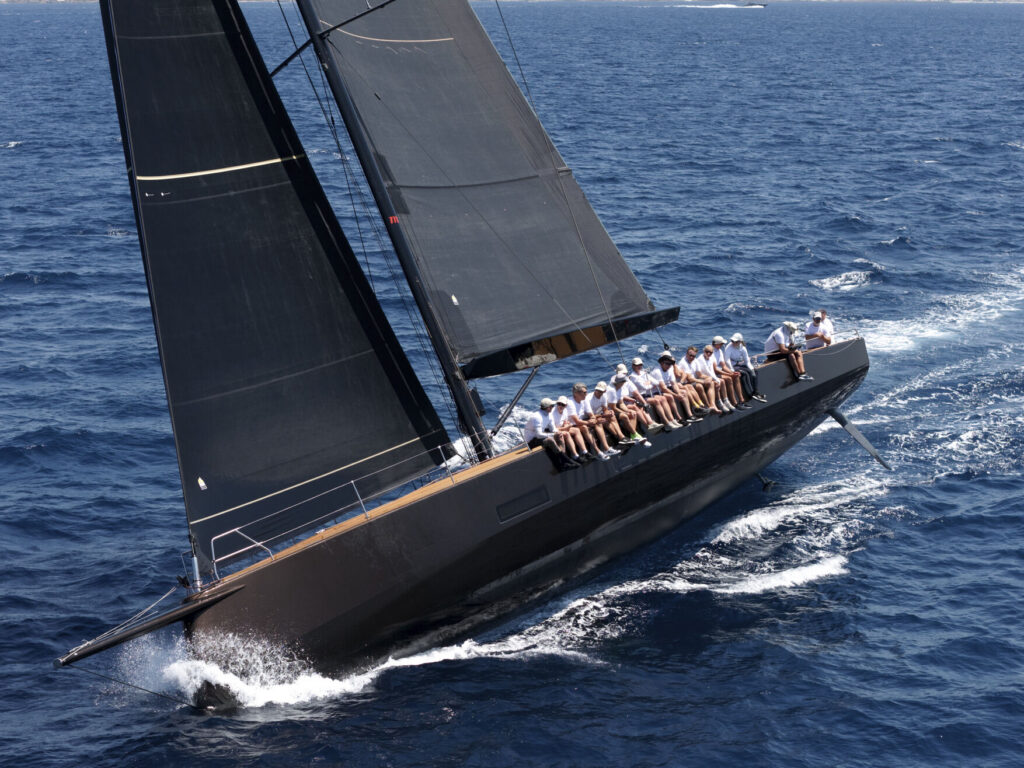
Baltic Yachts is the world’s leading builder of advanced composite yachts.
Each yacht is unique – unmatched in terms of quality and performance. Baltic Yachts’ deep expertise in advanced composite materials, such as carbon fibre, enables the construction of luxury yachts that are lighter, stiffer and faster than those of its competitors.
Weight control, maximised performance, and a rigid, precisely engineered structure form the foundation for the best possible sailing experience.
Walki’s customers are located both in Finland and internationally
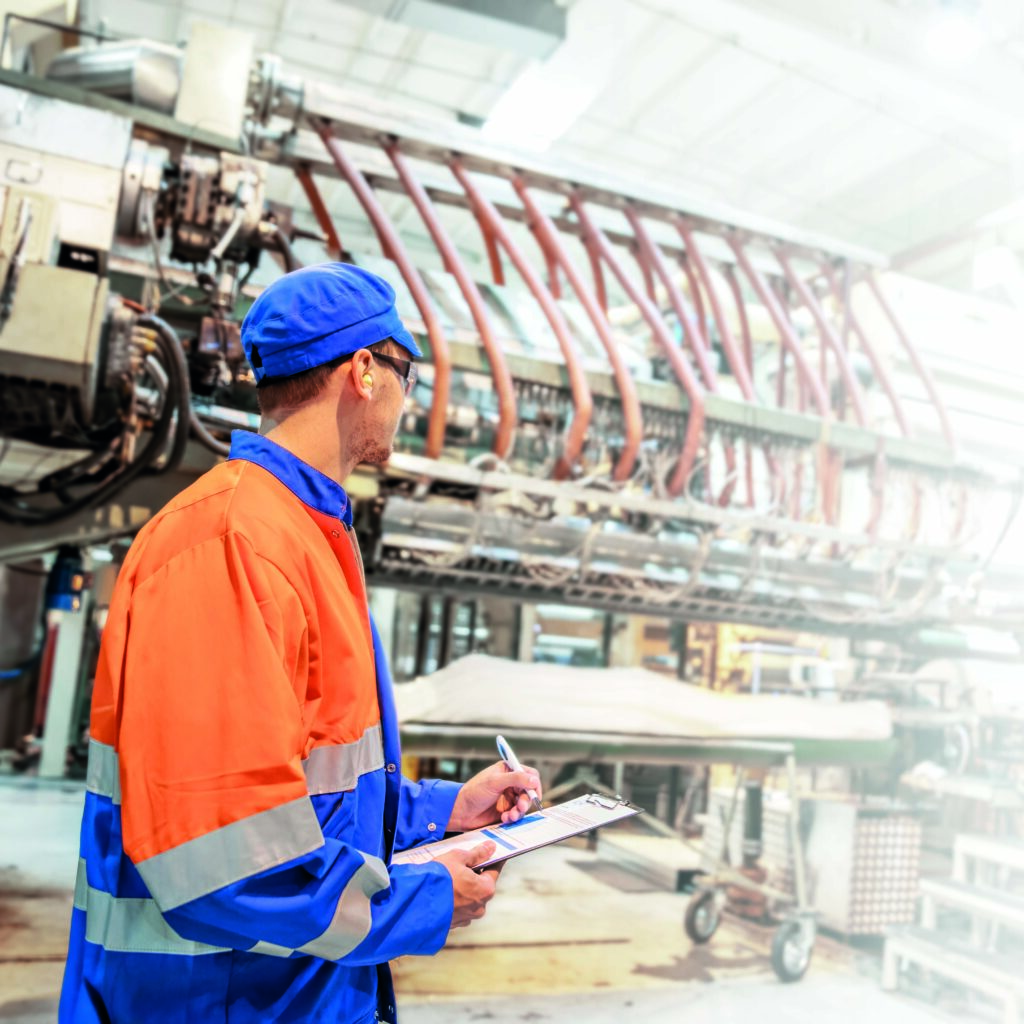
At Walki’s Jakobstad plant, products such as reel wraps, copy paper wraps, paper used in box manufacturing, and specialty products such as banner material are produced.
Billerud’s customers are located in Finland, Europe, Africa, Asia, as well as North and South America
Most of the pulp is transported to manufacturers around the world
Approximately 80 percent of UPM’s products are exported to customers, mainly in Asia and Europe.
OSTP’s export share is 90 %
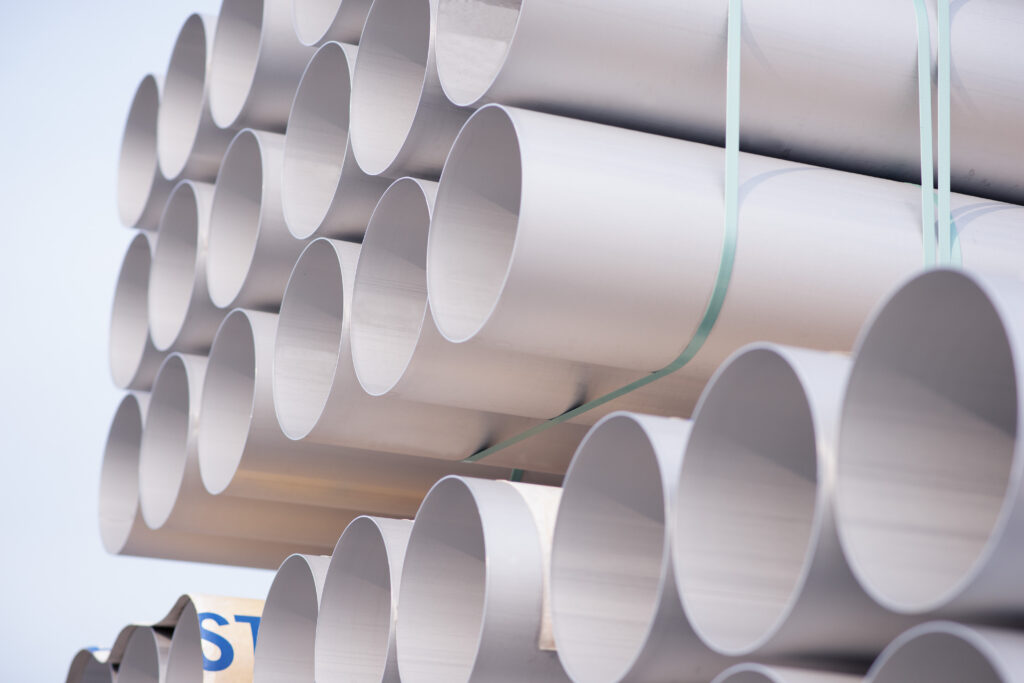
OSTP’s stainless steel pipe products are used across a wide range of industries, including the process, energy, chemical, water treatment, food, and shipbuilding industries.
Co-operation
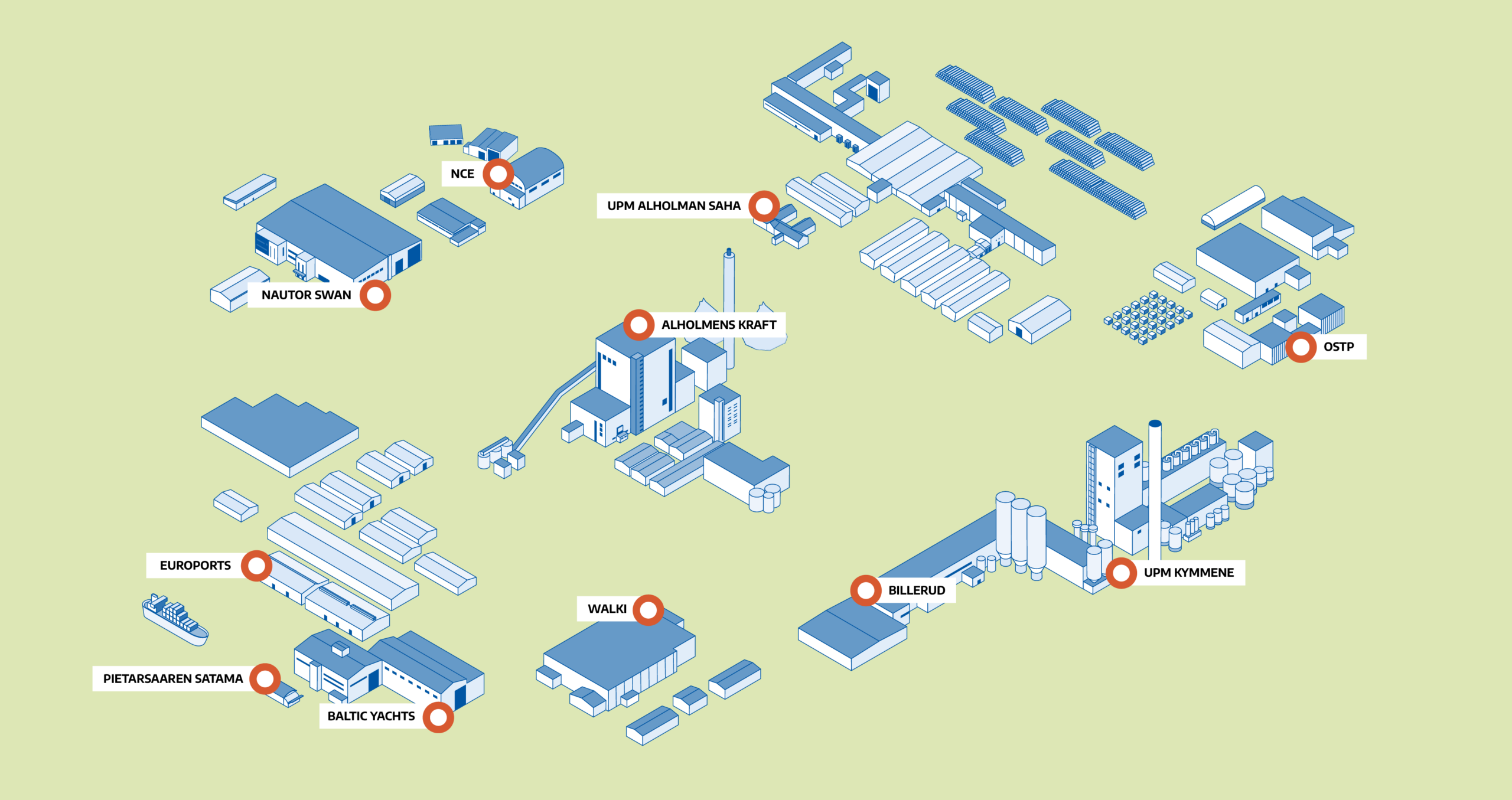
Cooperation and shared use within the composite industry
Cooperation takes place between Nautor Swan, Baltic Yachts and NCE in the areas of personnel, subcontractor networks and composite expertise. The companies make use of shared subcontractors and exchange know‑how in the manufacturing of composite materials and in process development, which strengthens the competence base and supports efficient production.
The cooperation also extends to materials. If one party experiences temporary challenges with material deliveries, materials can be flexibly shared between the companies until their own order arrives.
NCE leases curing ovens from Nautor for the manufacturing of its composite products. This solution enables the use of the required production capacity without own investments and supports flexible and cost‑efficient manufacturing.
The Port and the Port Operator
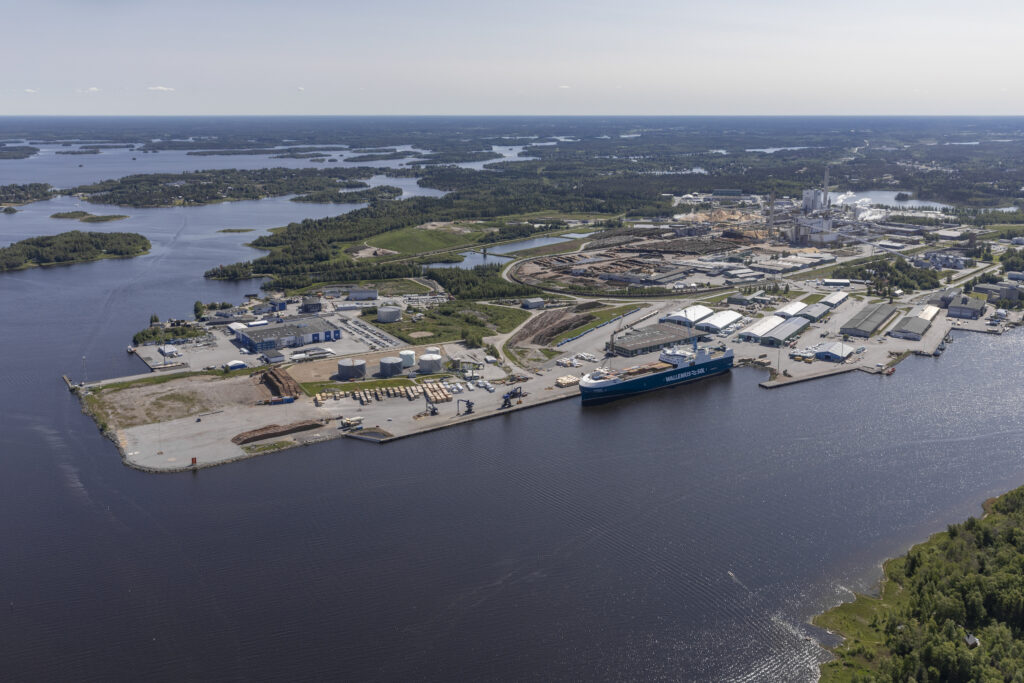
At the port, Euroports Pietarsaari Ltd operates as the port operator:
- Stevedoring: owns cranes, forklift trucks and other equipment, and Euroports’ personnel are responsible for loading and unloading vessels.
- Forwarding: unloading and loading of trucks and rail wagons, as well as storage of export and import goods. Oversees the delivery of export consignments to the port and prepares shipping, customs and other export documentation.
- Ship agency: represents shipping companies at the port, oversees their requests and maintains contact with authorities, pilots, ports and icebreakers.
Sawmill, Pulp and Energy
Not a single piece goes to waste!
- Logs are sawn into planks and boards at UPM’s Alholmen sawmill.
- Wood chips are used at UPM’s Jakobstad mill for pulp production.
- Bark, forest residues, branches and stumps are used for energy production at Alholmen Kraft.
By‑products from pulp production are utilized:
- Tall oil from the Jakobstad mill is used to produce biofuel at the bioprocessing plant in Lappeenranta.
- Turpentine is utilized in the chemical industry.
- Lime is used in agriculture.
- Green liquor dregs replace limestone in reducing sulphur dioxide emissions in flue gases at Alholmen Kraft.
Ash from Alholmen Kraft has several uses:
- It replaces natural materials such as crushed stone, sand and moraine in civil engineering projects.
- The most nutrient‑rich ash is used as fertilizer, for example to promote new growth in forests.
Forest Industry Integration
The companies within the Jakobstad forest industry integration form an interconnected value chain. UPM’s pulp mill in Jakobstad produces pulp that serves as raw material for Billerud’s paper production. Billerud manufactures various paper grades from the pulp, some of which are further processed by Walki into, for example, packaging and technical materials. Sidestreams from the industries becomes energy. In this way, a regional chain is created in which the output of one company becomes the raw material for the next.
Alholmen Industrial Park Association
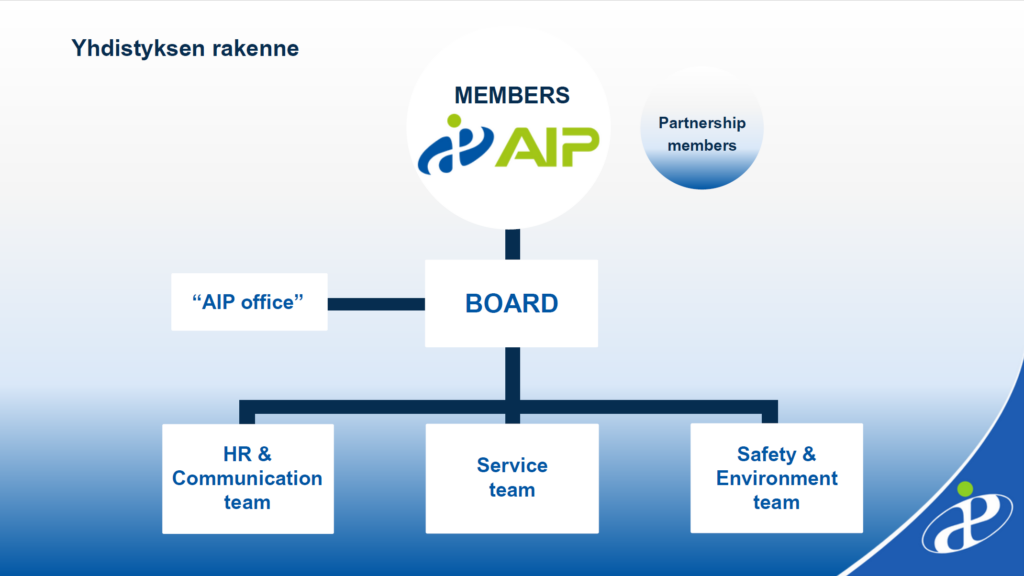
More than 60 companies operate at Alholmen Industrial Park, and the association has 11 member companies:
Manufacturing industry:
- Baltic Yachts
- Nautor Oy
- Billerud Finland Oy
- UPM‑Kymmene Oyj and UPM Alholmen Sawmill
- Walki Group Oy
- Alholmen Kraft Oy
- Nordpipe Composite Engineering Oy
- OSTP Finland Oy
Other members:
- Jakobstad Port Ltd
- Euroports Pietarsaari Ltd
- Jakobstad Region Development Company Concordia Ltd
The activities of the Safety and Environment Team include, for example:
Supporting the development of safety practices, sustainability work, information exchange and the identification of shared benefits among AIP member companies. The focus is on concrete, company‑oriented operating models. Companies are given the opportunity to share their own environmental and energy solutions and to gain concrete benchmark examples of how others address environmental challenges.
Wrapping material from Walki to OSTP
Wrapping material is supplied from Walki to OSTP